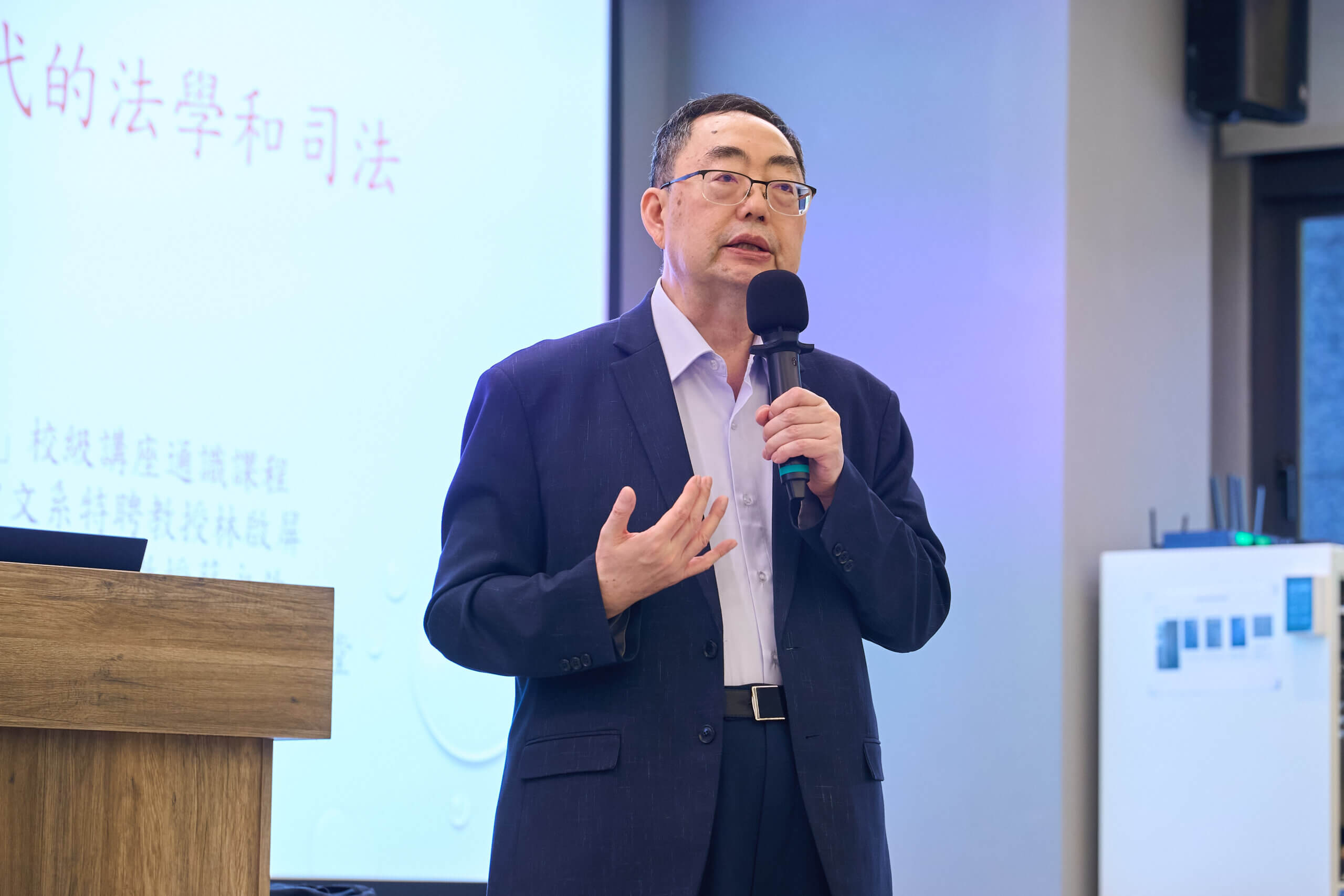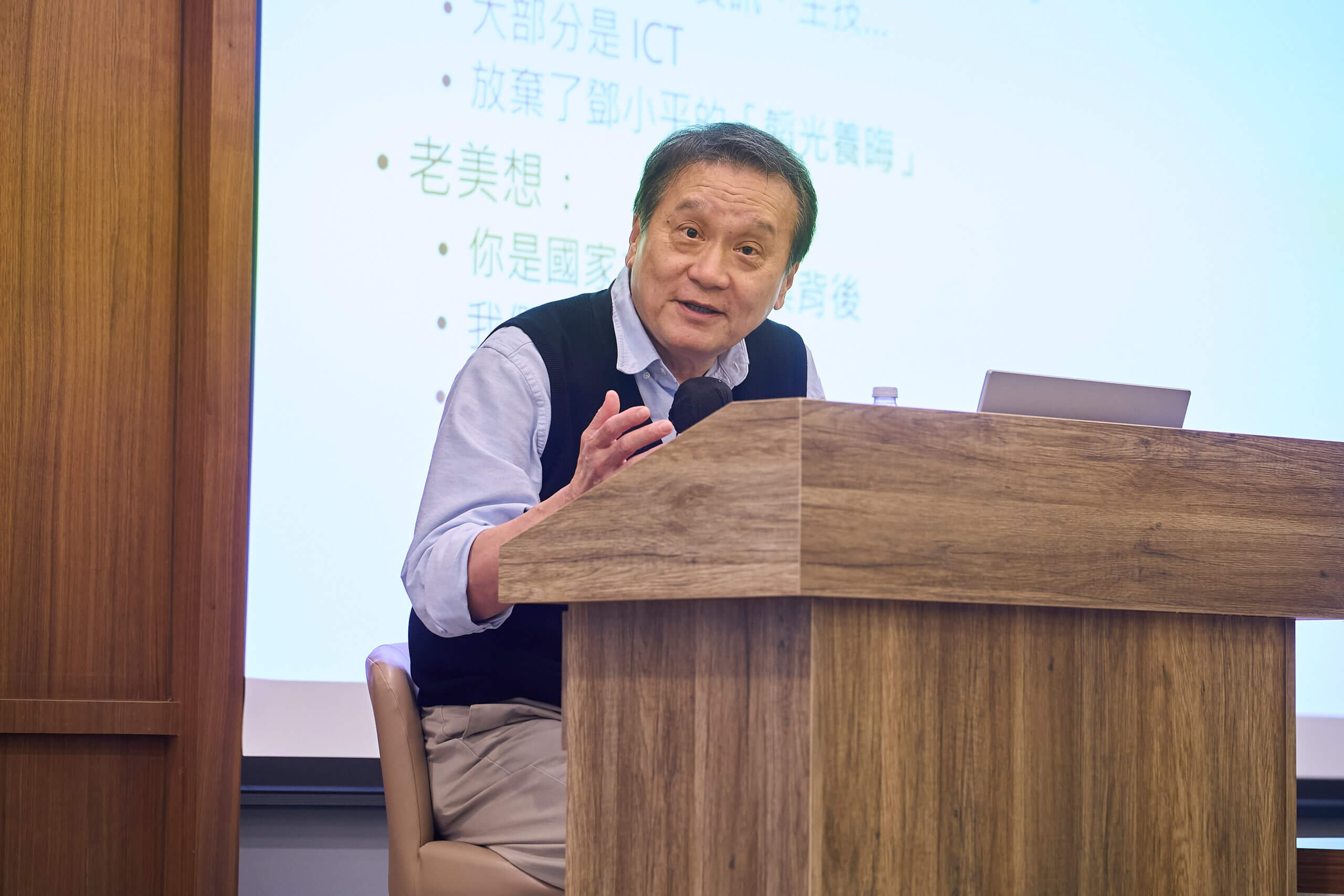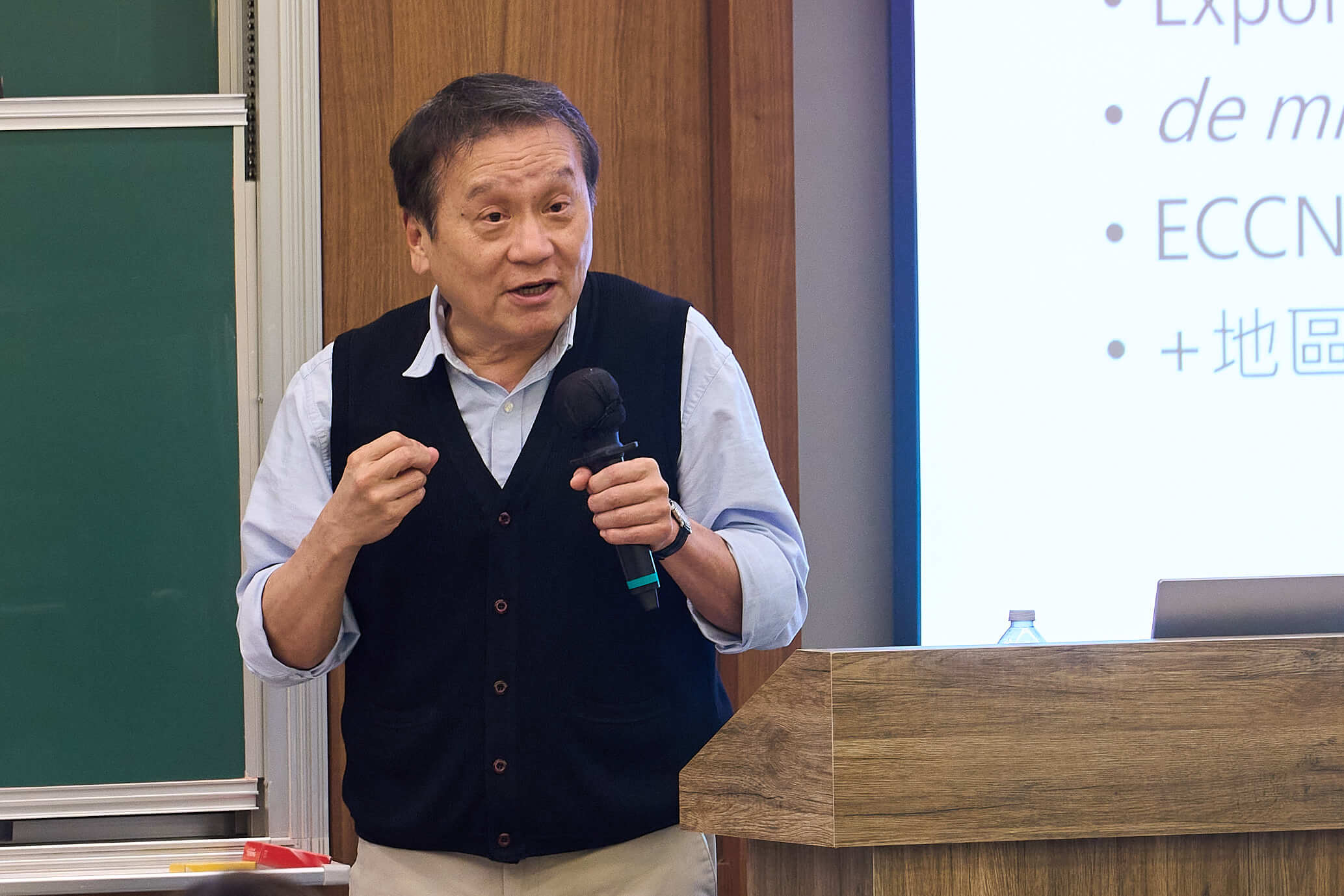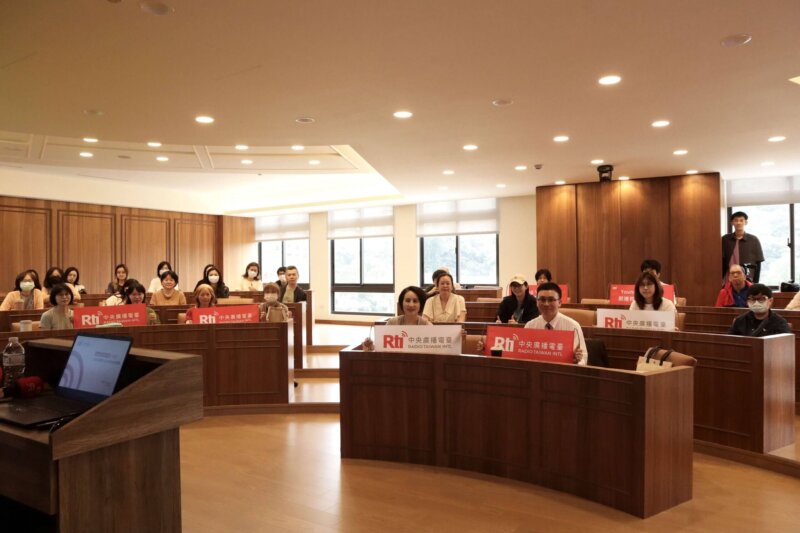
Lecture Schedule & Registration
-
Time: Mondays, 16:10–18:00
-
Venue: Cheng-En Lecture Hall (Room 106), College of Law
-
Course Syllabus: Please refer to the University Course Catalog for details.
| Date | Speaker | Topic | Registration Link |
| Mar 2 | Prof. Se-Hwa Wu | Is Innovation a Science? | Link |
| Mar 16 | Prof. Kuan-Yen Hsiao | Rousseau’s Social Contract and the Shaping of Modern Republican Democracy | Link |
| Mar 30 | Prof. Cyrus Chu | The Hegemonic Rivalry Between the US and China | Link |
| Apr 13 | Prof. Chi-Jeng Yeh | Desire, Idea, and Will: The Collective Mental Mechanisms that Shape the World | Link |
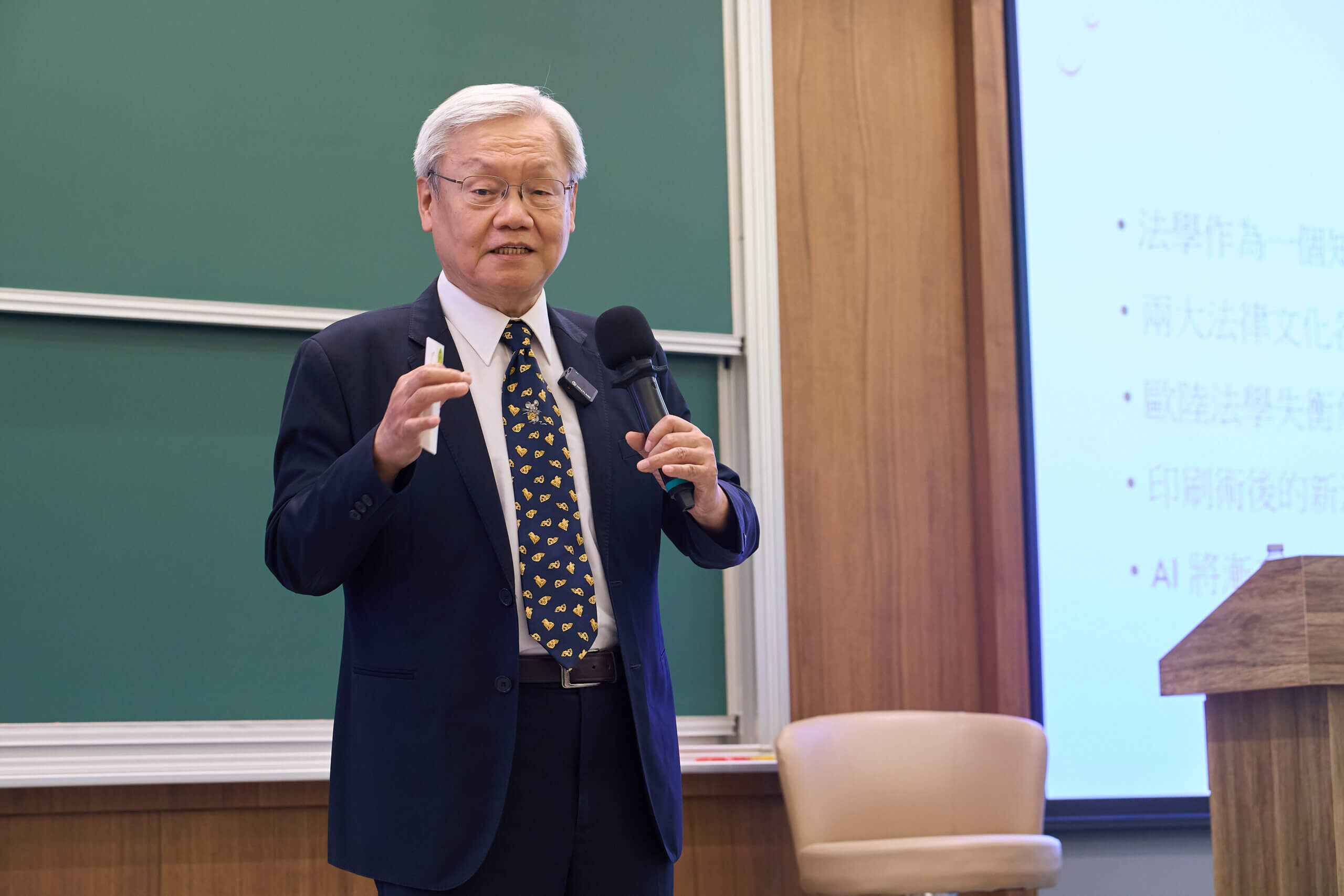
| Apr 27 | Prof. Yung-Chin Su | Legal Management in the AI Era: A Civil Law Perspective | Link |
| May 11 | Prof. Chintay Shih | The Incredible Journey: How Taiwan’s Semiconductor Industry Built From Zero to One | Link |
| May 25 | Prof. Yu-Yu Cheng | The New Chinese Poetics: Tradition and Modernity in the Poetic Revolution | Link |
Speaker Profiles
March 2 | Prof. Se-Hwa Wu
-
Current Position: Chair Professor, Graduate Institute of Technology Management and Intellectual Property, NCCU.
-
Distinctions: Former President of National Chengchi University; Former Minister of Education, R.O.C.
-
Selected Works: The Nine Theories of Strategy; The Dawn of Tomorrow’s Education; The Transformation of a University.
-
March 16 | Prof. Kuan-Yen Hsiao
-
Current Position: Distinguished Research Fellow, Research Center for Humanities and Social Sciences, Academia Sinica.
-
Distinctions: Academician of Academia Sinica (34th Session); Professor of Political Science, National Taiwan University.
-
Fields: Western Political Philosophy, Contemporary Political Theory.
-
Selected Works: Exploring Political Modernity: From Machiavelli to Yan Fu; A History of Western Republican Thought.
-
March 30 | Prof. Cyrus Chu
-
Current Position: Distinguished Research Fellow, Institute of Economics, Academia Sinica.
-
Distinctions: Former Vice President of Academia Sinica; Former Permanent Representative of the R.O.C. to the WTO; Academician of Academia Sinica (22nd Session).
-
Fields: Labor and Demographic Economics, Law and Economics, Public Economics.
-
Selected Works: Cyrus Chu on Social Sciences: New Century Challenges for Taiwan Society.
-
April 13 | Prof. Chi-Jeng Yeh
-
Background: Renowned Taiwanese Sociologist.
-
Distinctions: Chair Professor at NTU, NCCU, and Shih Hsin University; Named by the International Sociological Association (ISA) as one of the five most influential scholars in East Asian sociology.
-
Selected Works: Heterotopia Beyond Capitalism: An Exploration of the Sociology of Knowledge; From Causality to Mechanism.
-
April 27 | Prof. Yung-Chin Su
-
Current Position: Chair Professor, College of Law, NCCU.
-
Distinctions: Former Vice President and Justice of the Judicial Yuan; Former Chairperson of the National Communications Commission (NCC).
-
Fields: Property Law, Constitutional Law.
-
May 11 | Prof. Chintay Shih
-
Current Position: Academician, Industrial Technology Research Institute (ITRI).
-
Distinctions: Former President of ITRI; Former Chairman of the Institute for Information Industry (III); Former Dean of the College of Technology Management, NTHU.
-
Selected Works: Ten Miles of the World; From the Periphery to the Core: How Taiwan’s Semiconductor Industry Became the Heart of the World.
-
May 25 | Prof. Yu-yu Cheng
- Current Position: Distinguished Research Fellow, Institute of Chinese Literature and Philosophy, Academia Sinica (Note: This is her active primary research role at Academia Sinica)
- Distinctions: Academician, the 32nd Convocation of Academia Sinica (2018); Former Dean, College of Liberal Arts, National Taiwan University (NTU)
- Selected Works:
-
A Comprehensive Study on the Contextual Aesthetics of the Six Dynasties (《六朝情境美學綜論》)
- Gesture and Speech: A New Theory on the Revolution in the Kingdom of Poetry (《姿與言:詩國革命新論》
-