NCCU Campus News | Reported by Yang Kai-Chieh
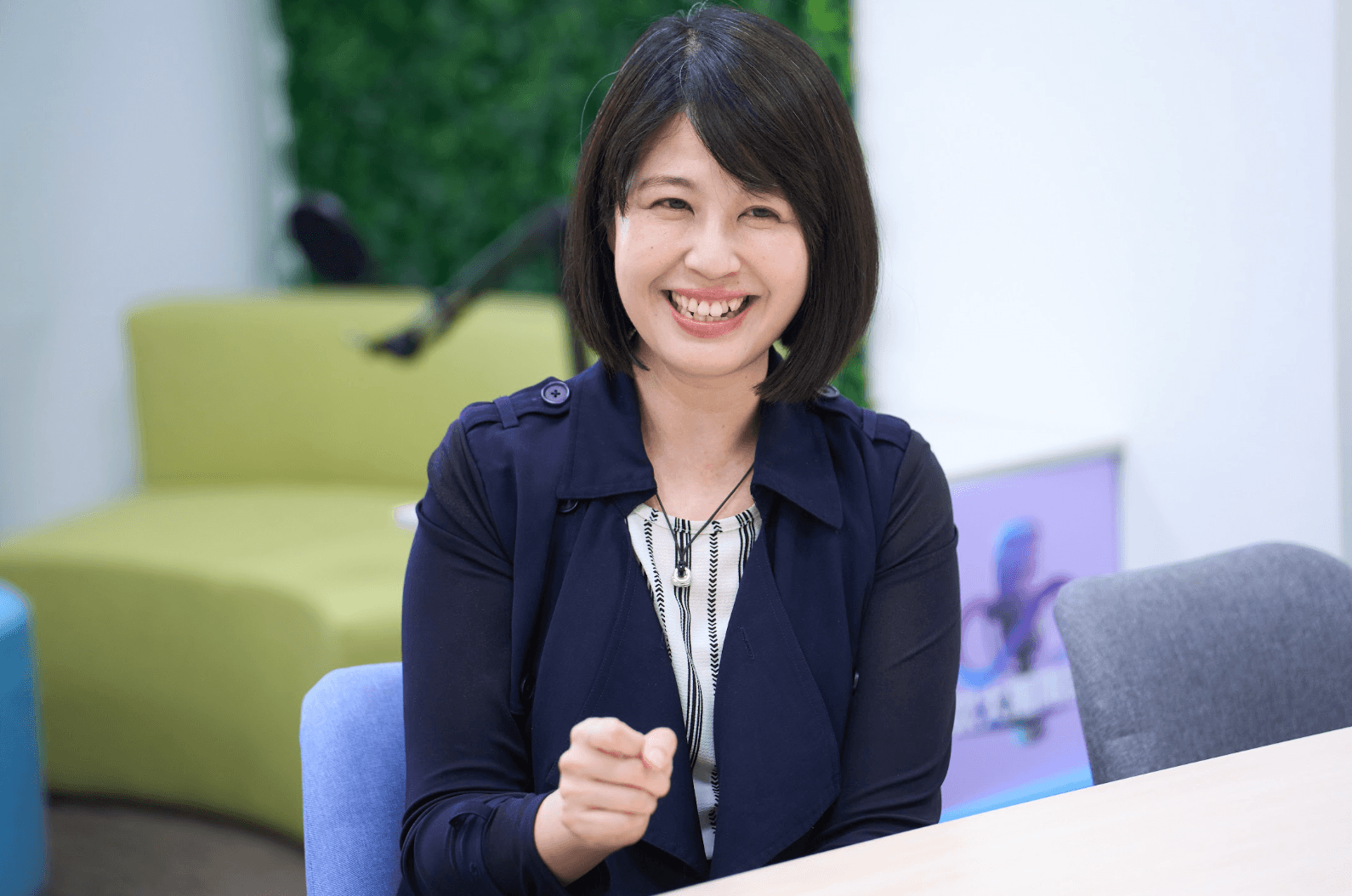
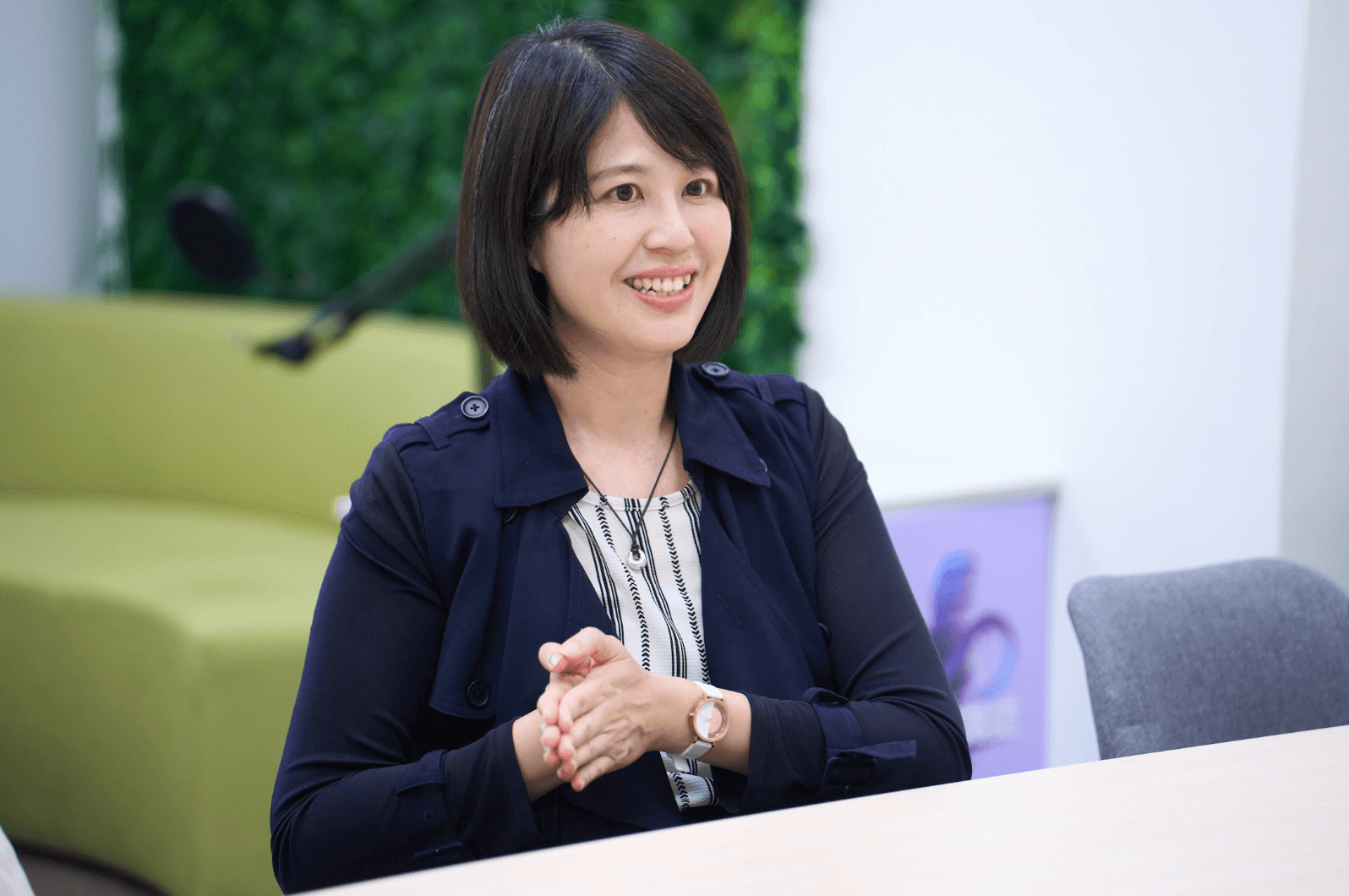
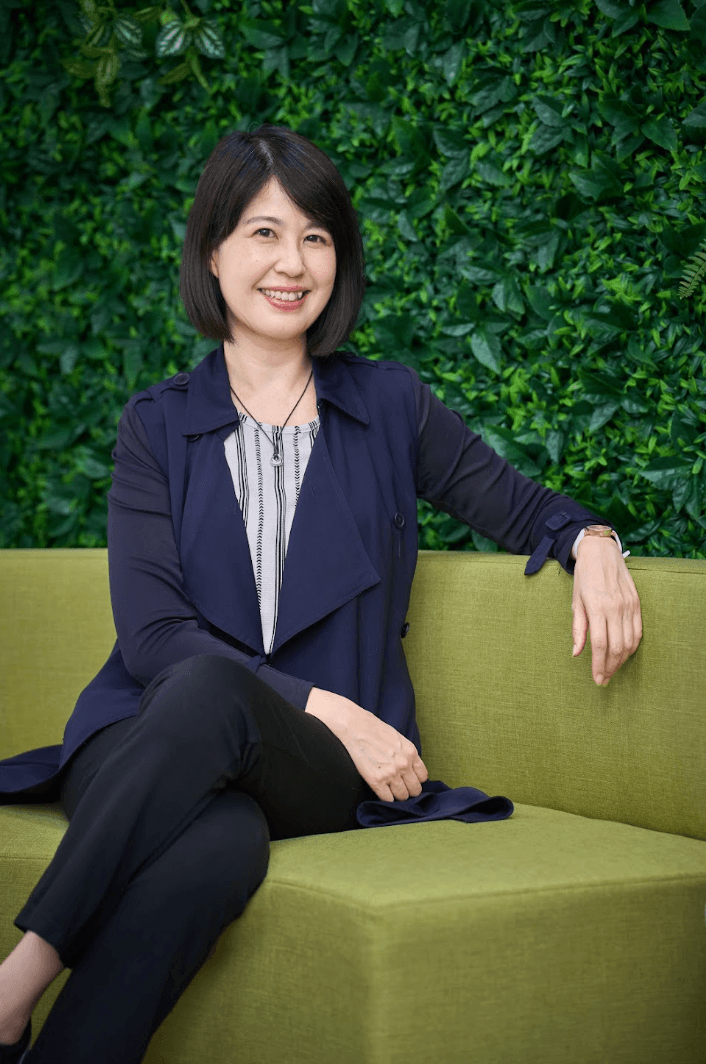
Lin Tzu-Ting, an Associate Professor in the Department of Psychology at National Chengchi University (NCCU), was awarded the 12th Ministry of Education Outstanding General Education Instructor Award for her core general education course, Psychology and Life. Having taught at NCCU for over a decade, she transforms complex psychological concepts into practical tools for daily reflection. She not only allows psychology to gently and deeply permeate her students’ daily lives, but also guides countless learners to practice self-awareness and mindful living long after stepping out of the classroom.
Facing a large general education class of over a hundred students each semester, Lin maintains a natural curiosity about people. She views every student as an independent and complete individual, jokingly admitting that she observes them with the curiosity of studying a “new species”—striving to understand what the new generation thinks, cares about, and how they perceive themselves and the world around them.
Turning General Education Flexibility into Highlights to Create an Engaging Classroom
Having taught the exact same course 16 times over 10 years, her sheer familiarity with the material once made her worry about falling into autopilot and losing her original passion for teaching. To keep her enthusiasm alive, she constantly reminds herself: “While this content may be familiar to me after so many repetitions, for the students sitting there, it might be the very first time in their lives hearing it.” This mindset allows her to respond to every new cohort with genuine warmth and enthusiasm, even when explaining the same concepts or sharing familiar jokes.
Speaking on the difference between general education and specialized courses, Lin points out that specialized courses require a strict, mandatory structure. In contrast, general education offers much greater flexibility, allowing her to extract the core ideas from psychology that she truly wants to share and turn them into engaging highlights that inspire proactive exploration.
She excels at translating dense academic knowledge into relatable, easy-to-understand daily experiences. For example, when explaining brain structures, she uses vivid associations like “tapping your forehead means thinking (frontal lobe)” or “touching the top of your head triggers sensation (parietal lobe)” to help students grasp and memorize concepts instantly. Students often feedback that after completing Psychology and Life, psychology feels like it has “invaded” their lives. Even after leaving class, they continue to reflect on their surroundings, gaining fresh insights and a newfound awareness of things they once took for granted—discovering that psychology is everywhere.
Beyond Knowledge Transfer: A Saf Space for Embracing Emotions
Beyond teaching academic content, Lin cares deeply about her students’ mental health. She set up a special section called the “Tree Hole” on the digital learning platform, allowing students to freely write down their inner feelings, worries, or reflections. These entries are visible only to her, serving as a safe space for students to hold quiet dialogues with themselves and process their emotions.
For students looking to explore psychology for the first time, Lin advises against rushing into a single book or perspective. She believes that treating a specific work as the sole starting point can limit one’s mindset and create a false impression of the field. She emphasizes: “Human beings are multi-dimensional, and psychology encompasses many different schools of thought and perspectives.” She encourages students to start with keywords that spark their curiosity or confusion in daily life, maintaining an open mind to explore, verify, and think critically, thereby gradually finding a perspective that resonates with their own life experiences.
“Education is worthwhile because people are willing to work together to do it well and take good care of the students.” Lin deeply recognizes that behind this honor lies a team of teaching assistants and NCCU colleagues who have supported her in refining the course over the past decade. She firmly believes that the purpose of general education extends beyond imparting knowledge—it is about creating a safe haven that accepts all emotions and lets students express themselves freely. When students need to pause and catch their breath, she is ready to accompany them in taking a restful break; when they are ready to set off again, the warmth and psychological insights cultivated in this course will empower them to march toward the future, blooming comfortably at their own pace.
Source: National Chengchi University (https://www.nccu.edu.tw/p/404-1000-23396.php?Lang=zh-tw#gsc.tab=0)