[Center for General Education News]


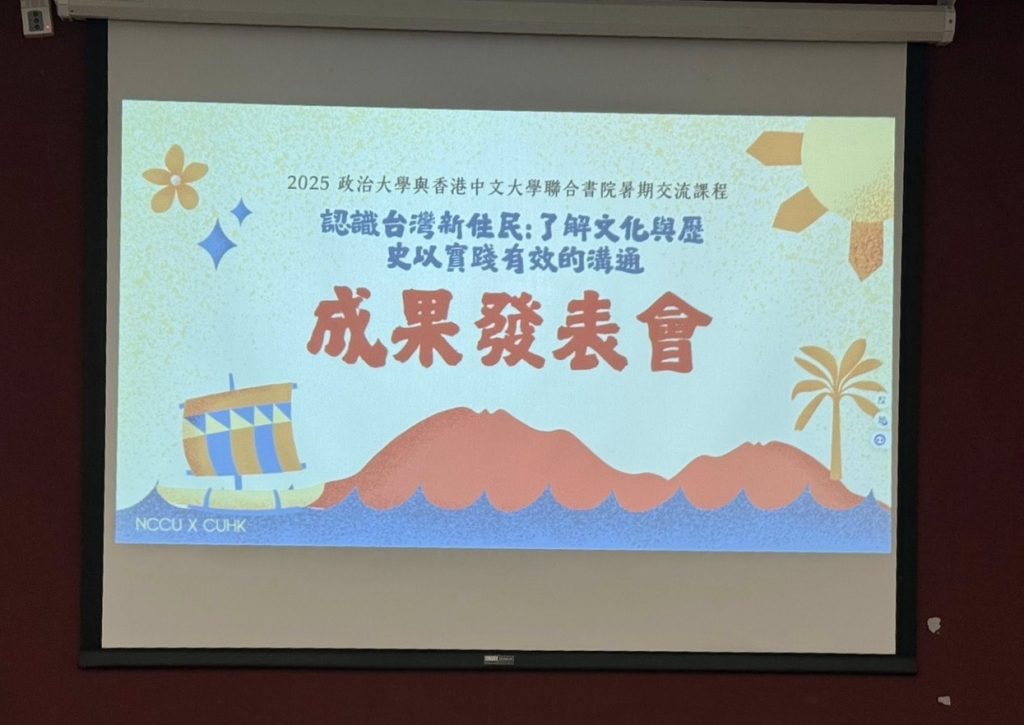
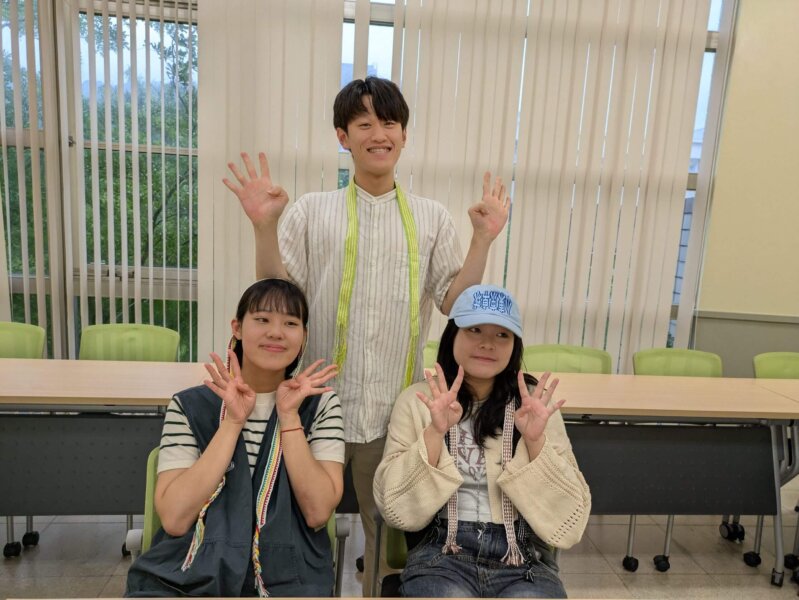
The Center for General Education at National Chengchi University (NCCU), in collaboration with the Colleges of the Chinese University of Hong Kong (CUHK), successfully launched the intensive summer general education course Flying Heroes. The program, part of the Taiwan–Hong Kong Joint College initiative, brought together students from both institutions to engage in cross-cultural learning and in-depth exploration of Taiwan’s immigrant communities.


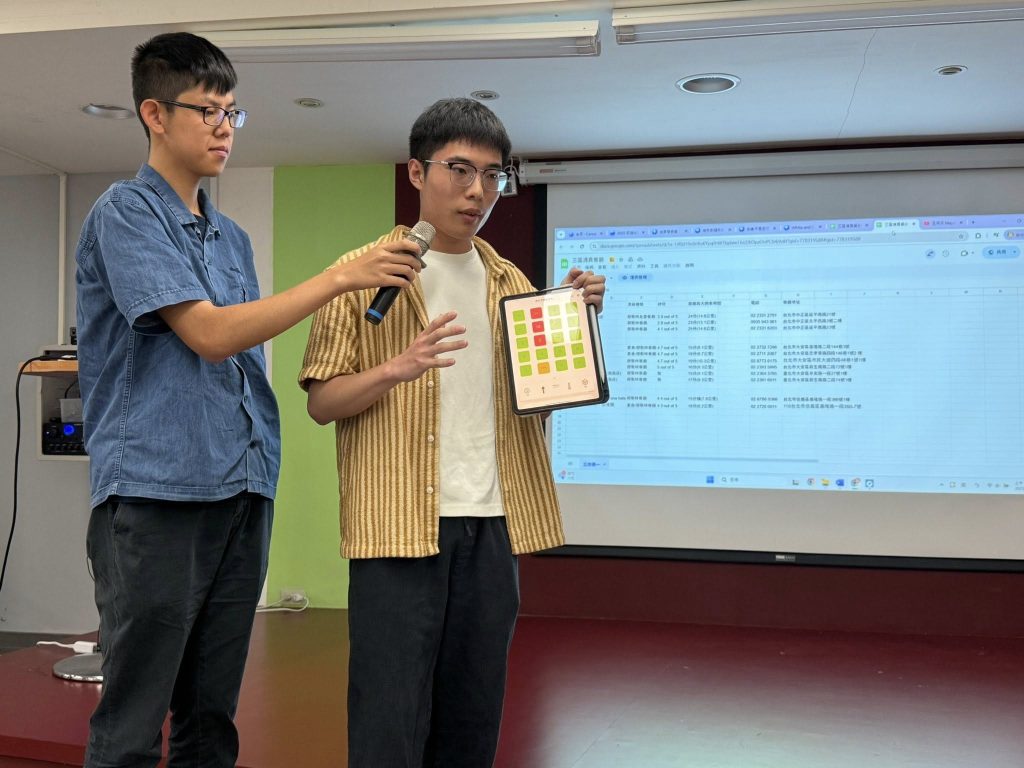
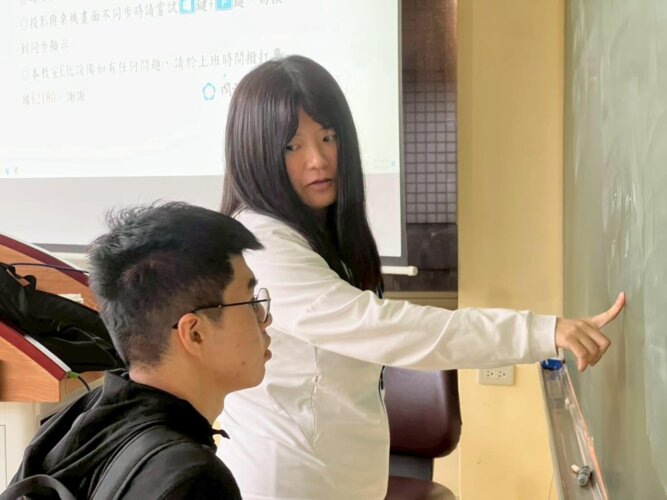
 Student presentation. (Photo courtesy of Prof. Ya-Ping Wang)

Taiwan–Hong Kong Student Teamwork to Understand Taiwan’s New Immigrants

Over the course of two weeks, mixed student teams conducted fieldwork in Southeast Asian enclaves across Taipei. The course design was inspired by the “Little Flying Heroes Workshop” organized by Brilliant Time: Southeast Asian Bookstore. Through site visits, expert lectures, and hands-on workshops, participants expanded their perspectives, gained insights into the lives of new immigrants, and documented Taiwan’s evolving multicultural society.

This year, the program further incorporated the NCCU USR Grocery Project, guiding students to the Zhongzhen Community in Longgang, Taoyuan, as well as the Taoyuan Youth Bureau Startup Hub. Professor Ya-Ping Wang of NCCU’s Department of Ethnology noted that these activities not only enabled Hong Kong students to step beyond Taipei and New Taipei but also challenged their stamina. She humorously described the program’s pace as being “like drinking espresso.”


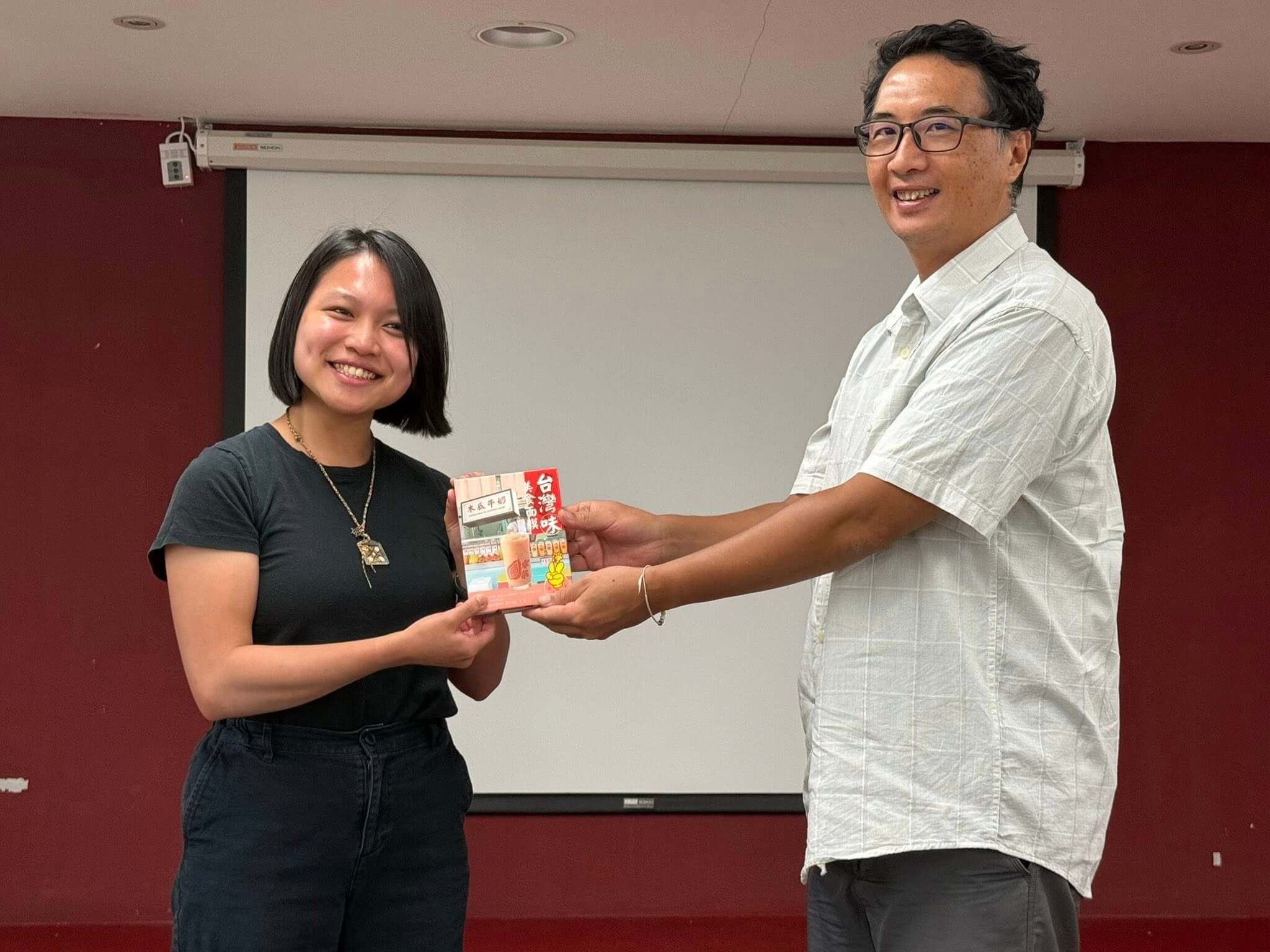
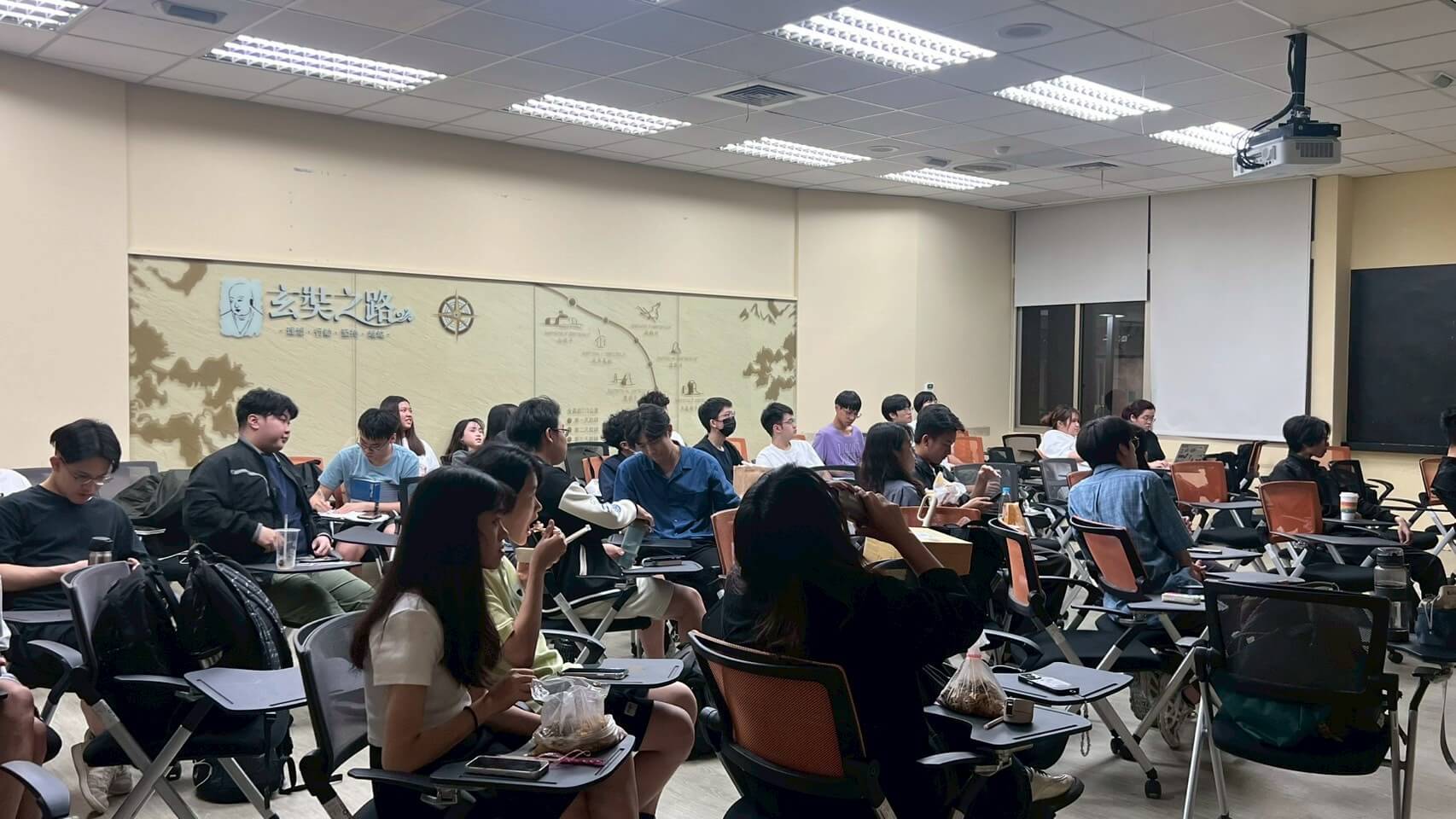
Students at the presentation event. (Photo courtesy of Prof. Ya-Ping Wang)

Despite the intensive schedule, the final student presentations impressed both faculty and peers. Their reports highlighted exceptional creativity, teamwork, and problem-solving capacity. Professor Wang reflected: “Listening to the students’ reports, I was deeply moved by their creativity and endless potential for action.”

This course underscores NCCU’s commitment to fostering global perspectives, intercultural exchange, and the development of civic-minded, action-oriented learners.

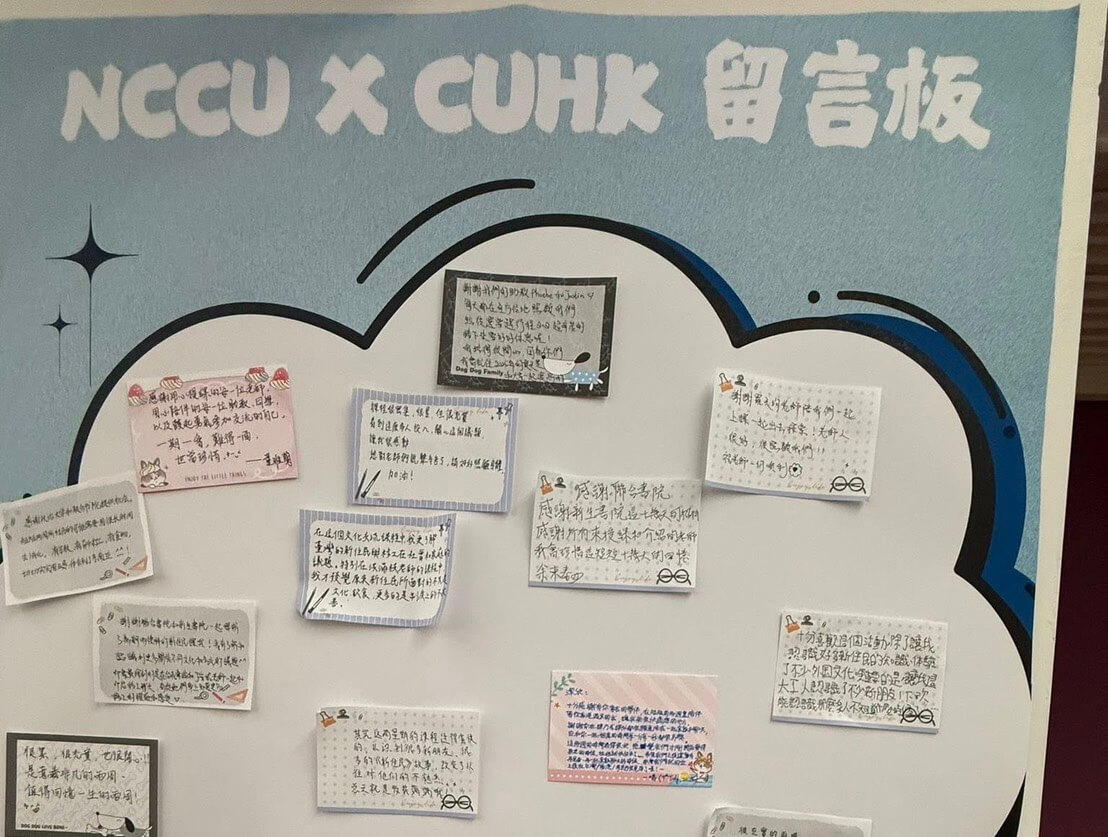
Message board from students of both universities. (Photo courtesy of Prof. Ya-Ping Wang)
Student presentation slides (Photo courtesy of Prof. Ya-Ping Wang)

[Center for General Education News]

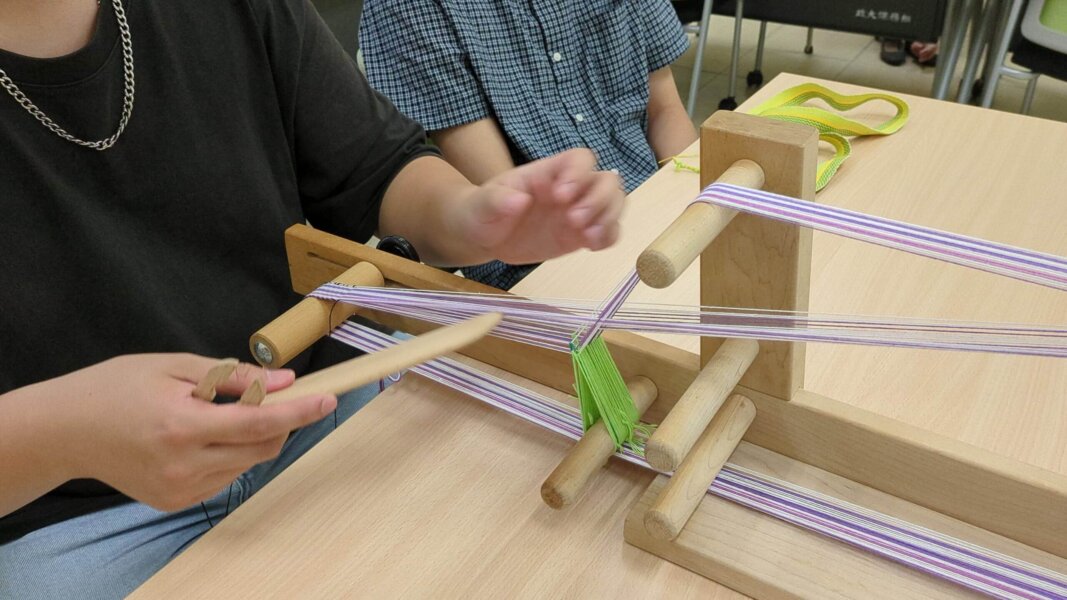
Walking into Commerce Building Room 304, one finds a bright and relaxed space. Students sit together, chatting while operating band-weaving machines, discussing pattern designs, and admiring each other’s work.

This special course was initiated by first-year students through the Self-Directed Learning Program and guided by Prof. Wang Ya-Ping from the Department of Ethnology.

Bringing together students from different colleges, the course involved hands-on weaving practice, appreciation of textile aesthetics, participation in workshops in Wulai, and deeper learning about Atayal weaving techniques and cultural narratives.


Atayal Weaving Culture

For the Atayal people, tninun (life) originates from the ancestral spirits’ tminun (weaving). This course went beyond skills acquisition, encouraging students to explore the cultural meanings and historical contexts embedded in weaving.

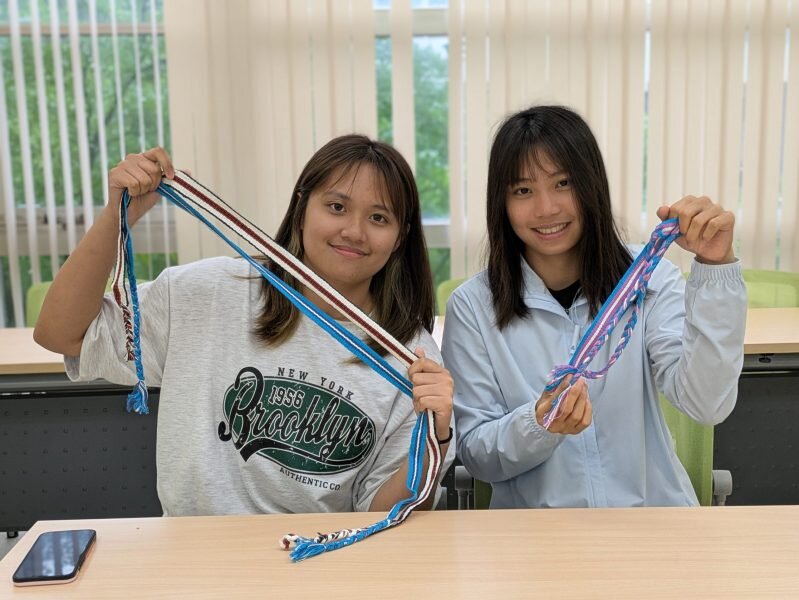
Students from diverse backgrounds joined the class, expanding their understanding and appreciation of cultural diversity through weaving. Over the semester, many began as complete beginners and ultimately completed two woven works. For them, weaving became more than beautiful patterns—it turned into a journey of self-reflection and discovery.

       Photo: Students with their finished works. (Center for the General Education )

From Weaving to Self-Understanding

“Weaving is a process of facing myself,” one student shared. “Sometimes I felt frustrated and wanted to start over, but those moments tested my ability to adjust and persist.”

Another student described weaving emotions into fabric: “Blue symbolizes courage, pink represents the love around me, and the white in the middle is myself.”

Each stitch became a record of feelings, each woven band a trace of months of growth—making every piece a unique expression of self.

The students’ reflections conveyed sincerity and joy. Thanks to their and the instructor’s active participation, the classroom atmosphere was warm and relaxed, a heartwarming scene in the busy weeks before finals—and a cherished memory woven into their university journey. The General Education Center encourages students to apply for self-directed learning, explore areas of interest, and invite friends to create a unique and meaningful college life together.


(Photo: Students became proficient in operating weaving machines after a semester of practice. Source: Center for General Education)

For details about the Self-Directed Learning Program application, please click “Self-Directed Learning” or contact Ms. Chang at the Center for General Education (ext. 63871).


[Campus News | Reported by Hsu, Chiao-Hsin]

Self-Directed Learning Final Presentation: Bridge Exhibition Game

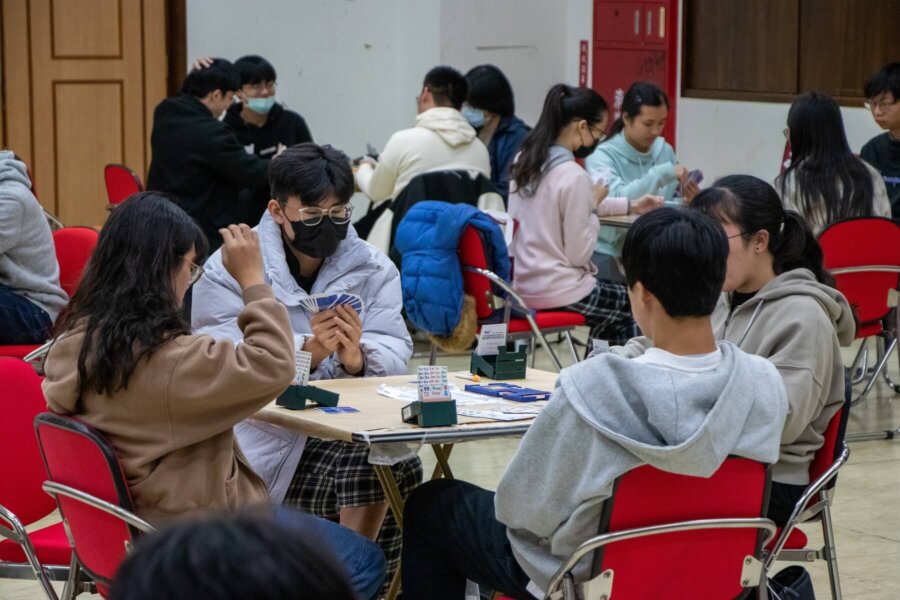
On the evening of January 4, the semester-end Bridge Exhibition Match took place in Yunxiu Hall. Four players gathered around each table, carefully considering their strategies and focusing on the unfolding plays. This event was held as the final competition for the self-directed learning project “Advanced Applications of Probability and Logic in Card Games” and invited members of the NCCU Bridge Club to join in. The goal was to allow students to apply classroom knowledge in practice while exchanging skills with peers.

The match adopted the contract bridge rules recognized by the World Bridge Federation (WBF) and was played in a team format. Each team had four players seated at two tables, with one pair sitting North–South and the other East–West. Bridge consists of two stages: bidding and play. During the bidding stage, players decide on the contract and trump suit based on their hands; during play, they take turns playing cards over 13 tricks to complete each round.

Students applied classroom knowledge to sharpen their bridge skills. (Source: Office of Academic Affairs)

Learning by Doing: The Spirit of Self-Directed Learning

To help students learn by doing, course instructor Prof. Chen Yuan-Tsung explained that classes were structured with concept reviews, followed by practice rounds, and then post-game discussions. “Many students had no prior experience with bridge, but after a semester of practice, they showed remarkable improvement,” he noted. Although the first two weeks were challenging due to the complexity of bridge, consistent guidance, peer support, and practice helped students gradually improve both their understanding and skills.

Bridge is not only a mental sport but also a test of teamwork. Players must calculate probabilities and solutions while working seamlessly with their partners. Lee Yi, a junior from the Department of Advertising, shared that she and her teammates often discussed strategies after matches to resolve uncertainties. Over time, she became more familiar with her partners’ thinking, allowing smoother cooperation during gameplay.

Next semester, the General Education Center will offer six self-directed learning projects: University Innovators, Free Software Inkscape: Creation and Applications, Podcasting and Audio Media Creation, Applications of Probability and Logic in Card Games (Bridge), Building with Bamboo: Indigenous Architecture and Culture, and Theory and Practice of Humanities of Tea.

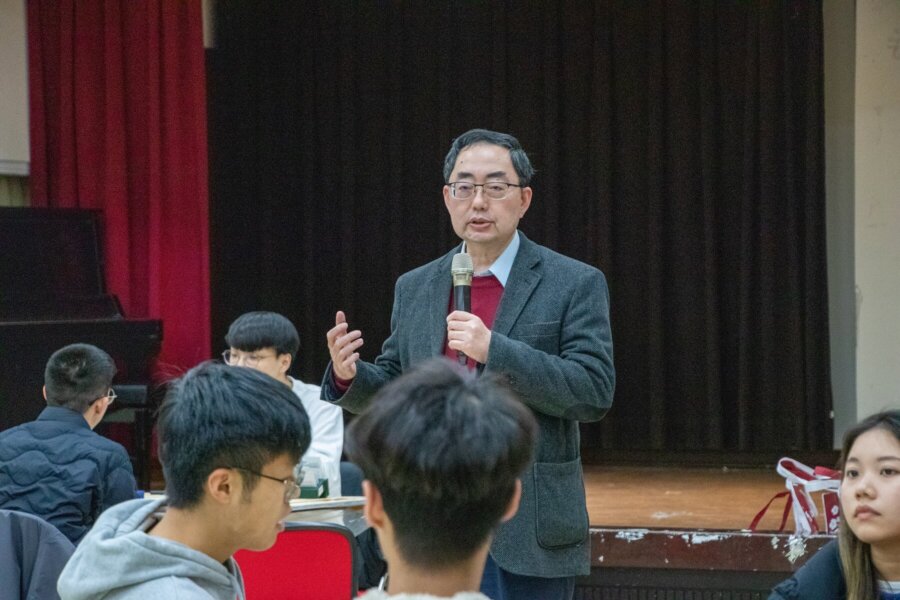
Vice President for Academic Affairs Lin Chi-Ping encouraged students at the event. (Source: Office of Academic Affairs)

Innovative Learning Models: Emphasizing Autonomy

Dean of Academic Affairs Lin Chi-Ping also attended the event to encourage students. He remarked that learning models can vary based on interdisciplinary combinations, and NCCU has been actively promoting self-directed learning courses in recent years. He explained that this bridge course exemplifies the approach by integrating knowledge across different fields while providing practical training. “Beyond strengthening card-playing skills, the course cultivates new ways of thinking,” he said, expressing hope that students will continue to embrace the spirit of autonomy and creativity fostered through self-directed learning.

              Course instructor Prof. Chen Yuan-Tsung. (Source: Office of Academic Affairs)

Source: NCCU Official Website

[Office of Academic Affairs] Reported by Yang, Kai-Chieh

Final Presentation of “Humanities of Tea”: Local Practice of Tea Studies

The Humanities of Tea self-directed learning course, offered by the General Education Center at National Chengchi University, concluded this semester with impressive achievements. Breaking away from traditional teaching frameworks, the course encourages students to independently explore and practice. It integrates foundational knowledge of tea, humanistic concerns, and local industry resources—providing students with a unique learning experience while bringing new perspectives to the development of the local tea industry.

Balancing Theory and Practice: Exploring the Deeper Humanistic Connections of Tea

The course consists of two main parts: Introduction to Humanities of Tea and Fundamentals of Tea Studies. It covers both the knowledge and practical skills of sensory evaluation of tea, as well as the theory and practice of tea-making techniques. Using tea as a medium, the course guides students toward deeper humanistic reflection and self-exploration, while linking with disciplines such as psychology and Japanese tea ceremony aesthetics.

Students, grouped according to their interests, designed and implemented local cultural projects related to tea under the guidance of instructors and TAs. Through problem-based learning (PBL), they investigated how tea culture manifests in daily life, with projects such as the “Tea Journey” fully embodying the spirit of self-directed learning.

Active Exploration and Creativity: Viewing Tea Culture from Diverse Perspectives

Students’ initiative and creativity were fully stimulated through exploration. One student, Chao, shared why he chose this course: “I realized that tea can actually be understood from many different perspectives.” He described the course as a form of training that teaches students how to converge on valuable directions from a wide range of open-ended topics.

In the final presentation, one group compared Muzha Tieguanyin and Anxi Tieguanyin, asking: “Both are Tieguanyin teas, so why are there such clear differences in brewing methods and tea-making techniques?” They further explored the importance of tea-making methods and their impact. Another group visited the tea industry in Shenkeng with the question: “As urbanization and population outflow cause tea farming to decline, can tourism revitalize it?” They conducted fieldwork in the old street, visiting shops and interviewing local business owners to better understand the industry’s real challenges. These inquiry-driven approaches mark an important step toward self-directed problem solving.

Analyzing Tea Culture and Local Connections: Cross-Disciplinary Integration with Sustainability

Within the self-directed learning model, students demonstrated unique observations and in-depth analyses. The Beitou group re-examined Beitou’s tea heritage by linking tea history with the region’s hot spring culture. They analyzed how Japanese-style buildings, such as the Beitou Museum, embody the spirit of the tea ceremony, explored connections between Japanese tea aesthetics and the 24 solar terms, and even designed a one-day Beitou tour combining tea culture, hot springs, and a “five-senses healing” experience—showcasing cross-disciplinary application and problem-solving.

Meanwhile, the Pinglin group closely examined the region’s unique geographical environment, including how the Beishi River water conservation area affects water quality, and how soil and climate conditions benefit tea growth and flavor. They connected these observations to sustainable farming and soil-water conservation practices, noting ecological approaches such as maintaining ground cover and relying on natural predators. These diverse perspectives led to original insights on sustainability and tea production.

Deepening Learning and Inspiring Cross-Disciplinary Innovation

The Humanities of Tea course was co-designed by faculty and students, emphasizing learner autonomy. Through project-based research such as the “Tea Journey,” students presented their goals, methods, processes, outcomes, and reflections, showcasing their entire learning journey.

Their research topics ranged from Muzha Tieguanyin, to Beitou tea culture and hot springs, to revitalization of the Shenkeng tea industry. Starting with fundamental questions, students faced challenges, identified real obstacles, and engaged in fieldwork and interviews. By adopting cross-disciplinary and innovative approaches, they integrated knowledge and practice, unlocking their learning potential. The course not only deepened students’ understanding of Taiwan’s tea industry and cultural heritage but also significantly enhanced their self-directed learning and comprehensive competencies.

Source: NCCU Official Website

【Office of Academic Affairs News】

“At first, I only joined the club to accompany a friend,” said Bo-Ya Tsai with a modest smile, as she began recounting her remarkable story. What started as a casual decision led her into the world of contract bridge, where talent, persistence, and countless hours of practice transformed her from a campus club member into a gold medalist at the 2023 Hangzhou Asian Games—and Taiwan’s most decorated female bridge player. Behind these honors lay hours of self-reflection, thousands of reviewed deals, and battles fought not only at the bridge table but also within herself.

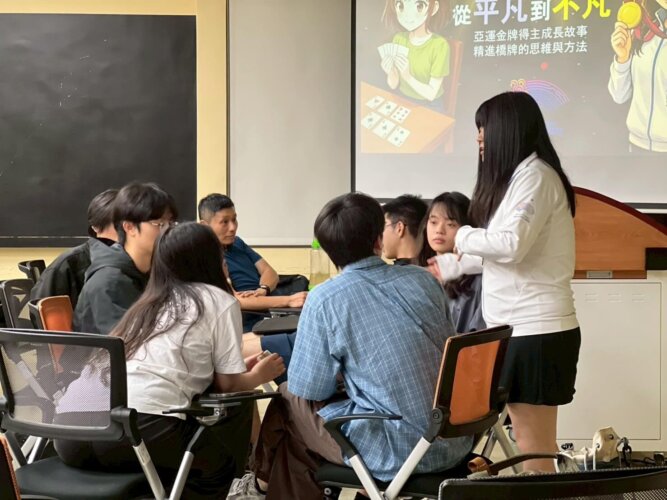
The General Education Center encourages self-directed learning courses to invite individuals with rich self-learning experiences to share their journeys. This semester, the course “Special Topics in Self-Directed Learning: Probability and Logic in Bridge” invited Bo-Ya Tsai, gold medalist of the 2023 Hangzhou Asian Games Mixed Team Bridge Event, to deliver a lecture titled “From Ordinary to Extraordinary.” She shared how, through self-discipline and autonomous learning, she honed her thinking and strategy as a bridge player.

“Success doesn’t come from believing after seeing results,” she said. “It comes from seeing results because you believe.”

Starting from Ordinary: Talent Is Only the Beginning

Tsai admitted that while she showed early promise in bridge, her true growth came from persistence and effort. From studying techniques alone and finding online partners, to building a strong team, her journey was one of quiet perseverance.

“I paid my own way to attend tournaments. I’d get so nervous that my legs shook,” she recalled. “But just like in games, you start from the small bosses and build up experience.”

For Tsai, every match—win or lose—was an opportunity to grow. She learned from mistakes, often reviewing the same situation multiple times until it became second nature.

“Even if you win with a lucky mistake, you still have to review it,” she explained. “You can’t rely on luck—only by facing your own errors can you improve.”


Growth Is Not Linear—It’s a Wave

“Progress comes quickly at first, but the more you grow, the more setbacks you face,” Tsai reflected. In 2016, she competed at the Asia-Pacific Cup in Beijing, but after a disappointing performance, her family urged her to quit. For a while, her confidence wavered—but she persisted.

Through challenges including the pandemic, personal struggles, and competitive lows, Tsai never stopped improving. Each failure became fuel for growth until bridge strategy became her second instinct. She also used reverse visualization as motivation—imagining herself standing on the podium, asking:

“What kind of person wins a gold medal in bridge? What do I still lack?”


From Ordinary to Extraordinary: Playing Her Winning Hand

“I never thought bridge would become an Asian Games event,” Tsai said. “We just wanted to perform well internationally.”

In 2018, bridge was officially included in the Asian Games, and the opportunity she had long prepared for finally arrived. Her team went on to win silver in 2018 and gold in 2023 in the Mixed Team event. Their achievements not only elevated Taiwan’s bridge reputation but also drew increased recognition and support from the Sports Administration.

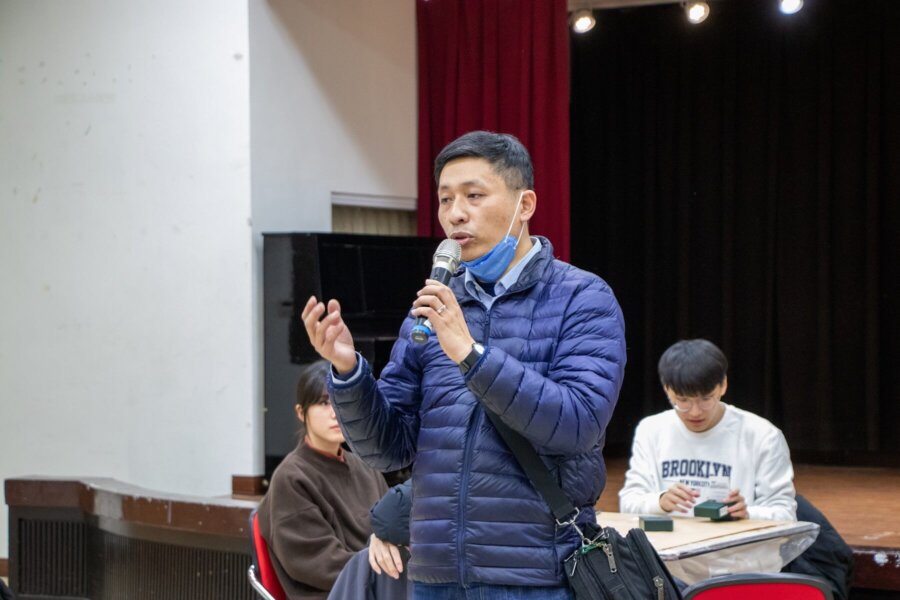
After the talk, many students eagerly asked questions about learning strategies and motivation. Tsai patiently answered each one, showing the same dedication that defines her play. Through her story, she proved that no dream is too small—only those who prepare can seize their moment.

Her lecture inspired students to view perseverance and self-discipline as the foundations of success. The spirit of self-directed learning took root in their minds, reminding them that, like building one card upon another, persistence turns effort into excellence—and ordinary steps into extraordinary achievements.


Source: National Chengchi University News

Photos courtesy of the General Education Center, NCCU