NCCU Campus News | Reported by Yang Kai-Chieh

Lin Tzu-Ting, an Associate Professor in the Department of Psychology at National Chengchi University (NCCU), was awarded the 12th Ministry of Education Outstanding General Education Instructor Award for her core general education course, Psychology and Life. Having taught at NCCU for over a decade, she transforms complex psychological concepts into practical tools for daily reflection. She not only allows psychology to gently and deeply permeate her students’ daily lives, but also guides countless learners to practice self-awareness and mindful living long after stepping out of the classroom.

Facing a large general education class of over a hundred students each semester, Lin maintains a natural curiosity about people. She views every student as an independent and complete individual, jokingly admitting that she observes them with the curiosity of studying a “new species”—striving to understand what the new generation thinks, cares about, and how they perceive themselves and the world around them.
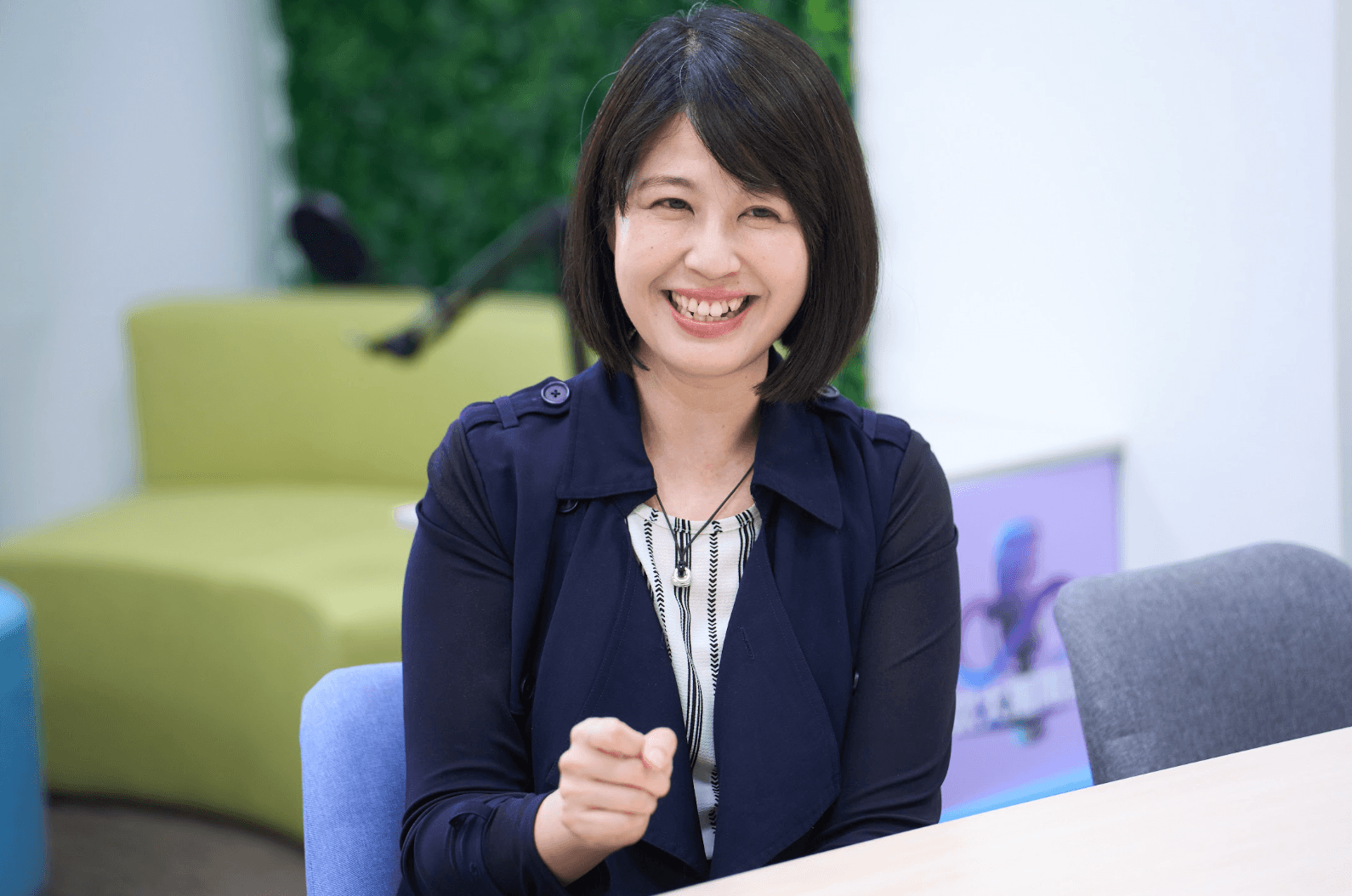
 

Lin Tzu-Ting firmly believes that general education extends beyond imparting knowledge—it is about creating a safe space that accepts all emotions and lets students express themselves freely. (Photo: Secretariat)


Turning General Education Flexibility into Highlights to Create an Engaging Classroom

Having taught the exact same course 16 times over 10 years, her sheer familiarity with the material once made her worry about falling into autopilot and losing her original passion for teaching. To keep her enthusiasm alive, she constantly reminds herself: “While this content may be familiar to me after so many repetitions, for the students sitting there, it might be the very first time in their lives hearing it.” This mindset allows her to respond to every new cohort with genuine warmth and enthusiasm, even when explaining the same concepts or sharing familiar jokes.

Speaking on the difference between general education and specialized courses, Lin points out that specialized courses require a strict, mandatory structure. In contrast, general education offers much greater flexibility, allowing her to extract the core ideas from psychology that she truly wants to share and turn them into engaging highlights that inspire proactive exploration.

She excels at translating dense academic knowledge into relatable, easy-to-understand daily experiences. For example, when explaining brain structures, she uses vivid associations like “tapping your forehead means thinking (frontal lobe)” or “touching the top of your head triggers sensation (parietal lobe)” to help students grasp and memorize concepts instantly. Students often feedback that after completing Psychology and Life, psychology feels like it has “invaded” their lives. Even after leaving class, they continue to reflect on their surroundings, gaining fresh insights and a newfound awareness of things they once took for granted—discovering that psychology is everywhere.
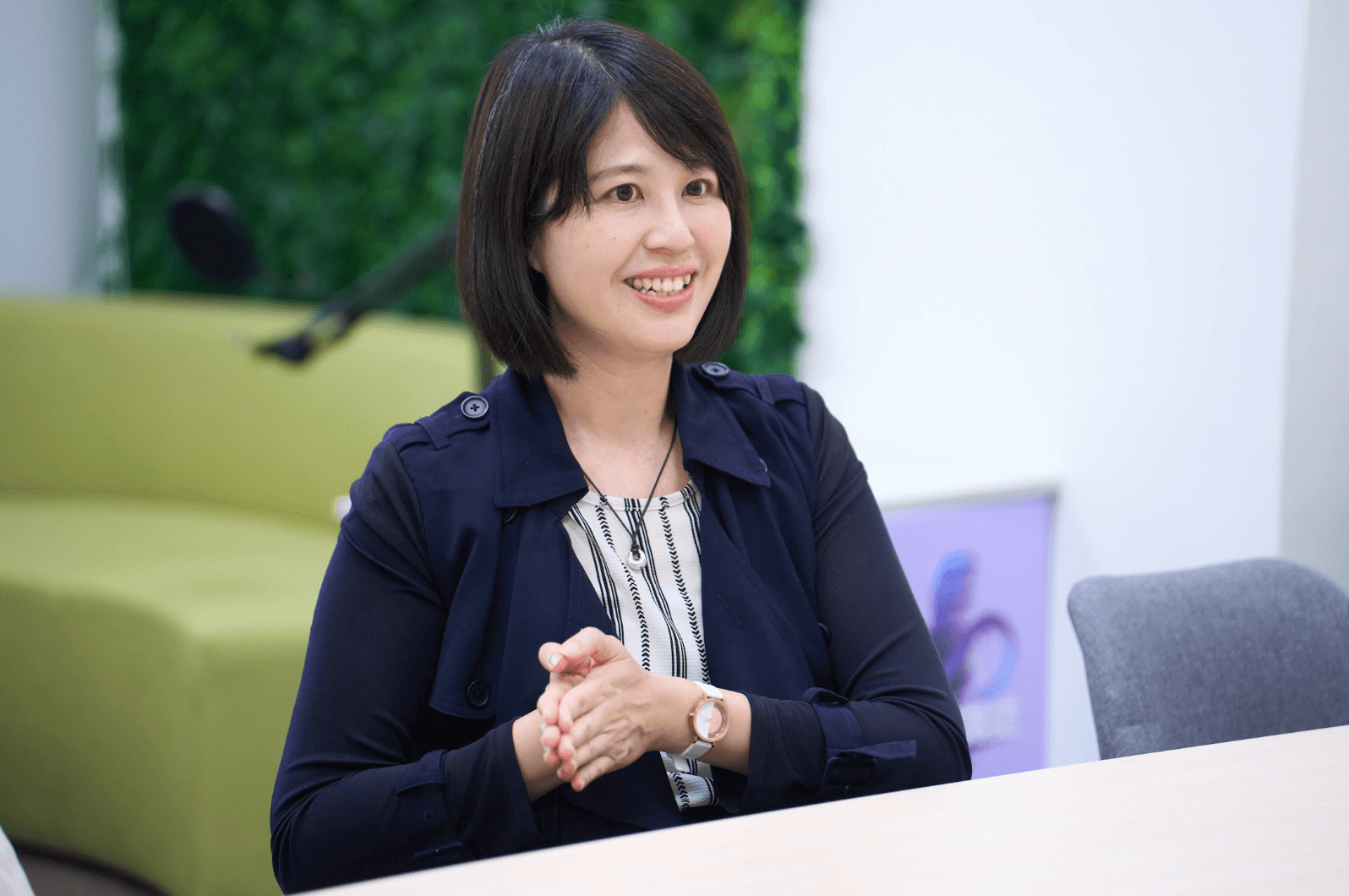
 

Lin excels at translating dense academic knowledge into relatable, easy-to-understand daily experiences. (Photo: Secretariat)


Beyond Knowledge Transfer: A Saf Space for Embracing Emotions

Beyond teaching academic content, Lin cares deeply about her students’ mental health. She set up a special section called the “Tree Hole” on the digital learning platform, allowing students to freely write down their inner feelings, worries, or reflections. These entries are visible only to her, serving as a safe space for students to hold quiet dialogues with themselves and process their emotions.

For students looking to explore psychology for the first time, Lin advises against rushing into a single book or perspective. She believes that treating a specific work as the sole starting point can limit one’s mindset and create a false impression of the field. She emphasizes: “Human beings are multi-dimensional, and psychology encompasses many different schools of thought and perspectives.” She encourages students to start with keywords that spark their curiosity or confusion in daily life, maintaining an open mind to explore, verify, and think critically, thereby gradually finding a perspective that resonates with their own life experiences.

“Education is worthwhile because people are willing to work together to do it well and take good care of the students.” Lin deeply recognizes that behind this honor lies a team of teaching assistants and NCCU colleagues who have supported her in refining the course over the past decade. She firmly believes that the purpose of general education extends beyond imparting knowledge—it is about creating a safe haven that accepts all emotions and lets students express themselves freely. When students need to pause and catch their breath, she is ready to accompany them in taking a restful break; when they are ready to set off again, the warmth and psychological insights cultivated in this course will empower them to march toward the future, blooming comfortably at their own pace.
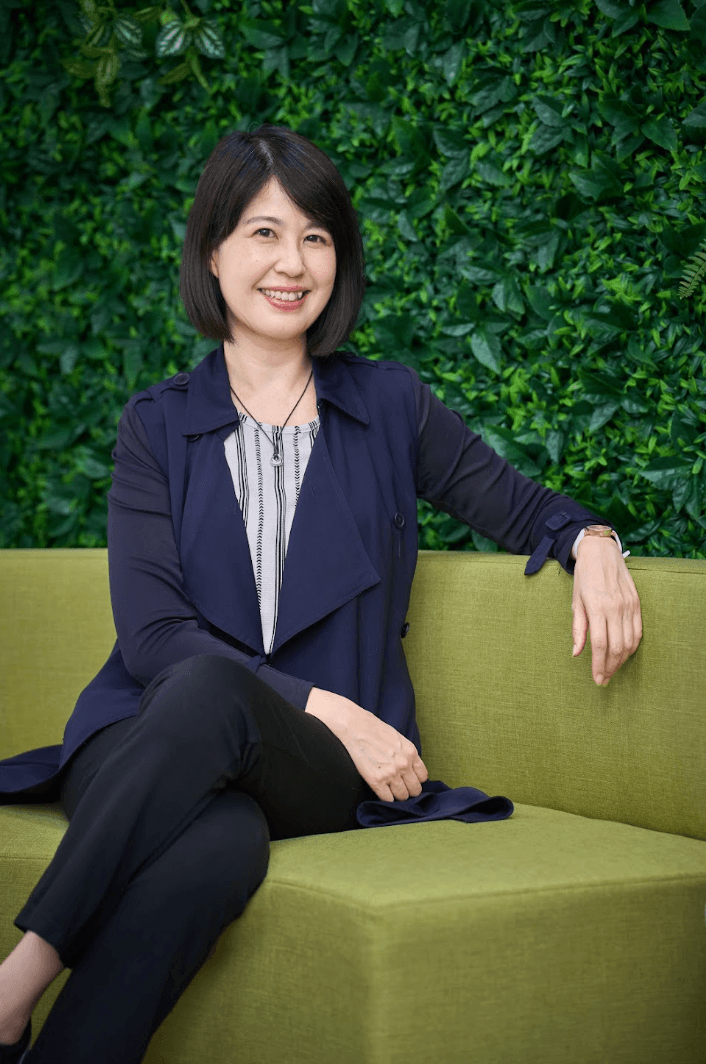
 

Beyond teaching academic content, Lin cares deeply about students’ mental health, setting up a special section called the “Tree Hole” on the digital learning platform. (Photo: Secretariat)

Source: National Chengchi University (https://www.nccu.edu.tw/p/404-1000-23396.php?Lang=zh-tw#gsc.tab=0)

▌ About the Lecture

An orchestra is far more than a mere collection of instruments; it is a convergence of human experiences.

Behind every sound lies a distinct origin: growth, training, habit, breath, and imagination. Experience manifests as timbre, habits translate into dynamics, and breath settles into rhythm. When these differences meet upon the stage, we hear more than just a musical composition—we witness how individuals transform themselves into a process of change and discovery.

This lecture will engage in a cross-century dialogue with Italo Calvino’s Six Memos for the Next Millennium. Drawing upon the concepts of “Lightness,” “Exactitude,” and “Multiplicity,” we will rethink the art of listening to an ensemble. Through guided appreciation and recorded excerpts, we will explore the profound forces that shape a collective sound.

Note: Lunch boxes will be provided. This lecture is co-organized with the NCCU Office of University Social Responsibility (USR).


▌ Lecture Information

  • Time: April 23 (Thursday), 12:00 PM – 2:00 PM (Lecture commences at 12:20 PM)

  • Venue: Ming-Da Lecture Hall, 4th Floor, College of Law

  • Learning Credits: 2 hours

  • Catering: Lunch boxes will be distributed following the conclusion of the lecture.

  • Registration Link: https://reurl.cc/GaZex3

Contact Information: Should you have any inquiries, please contact Ms. Wu:

Reported by Wu Yu-chieh, Campus News

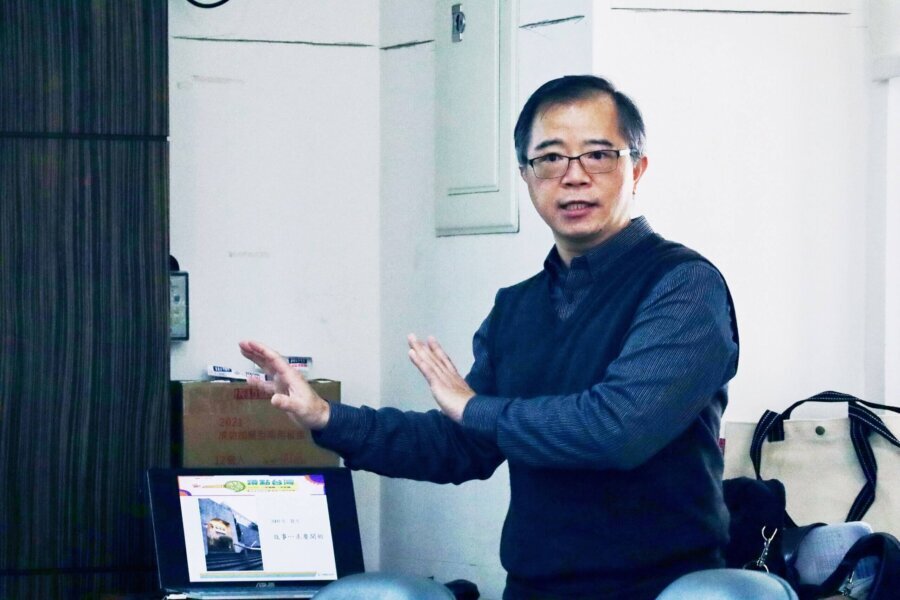
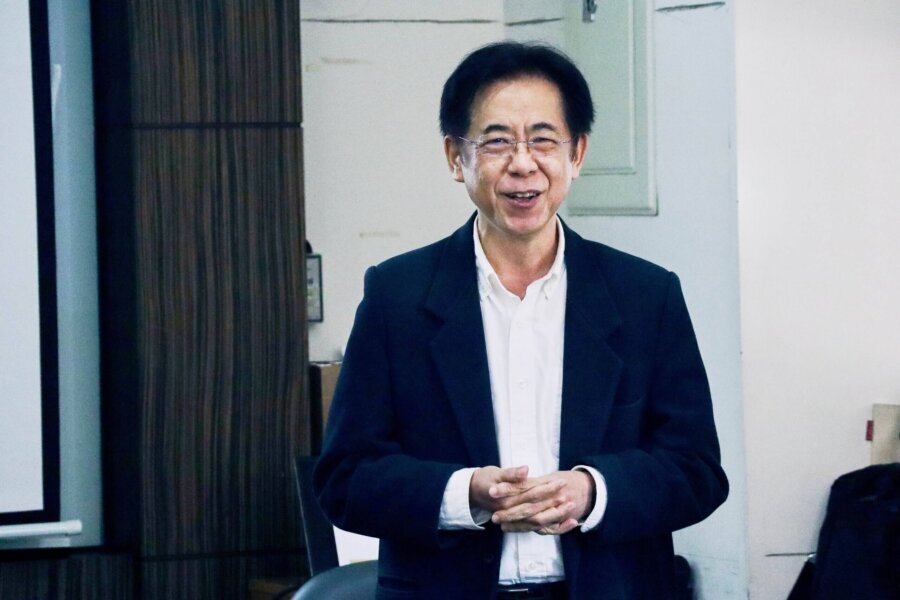
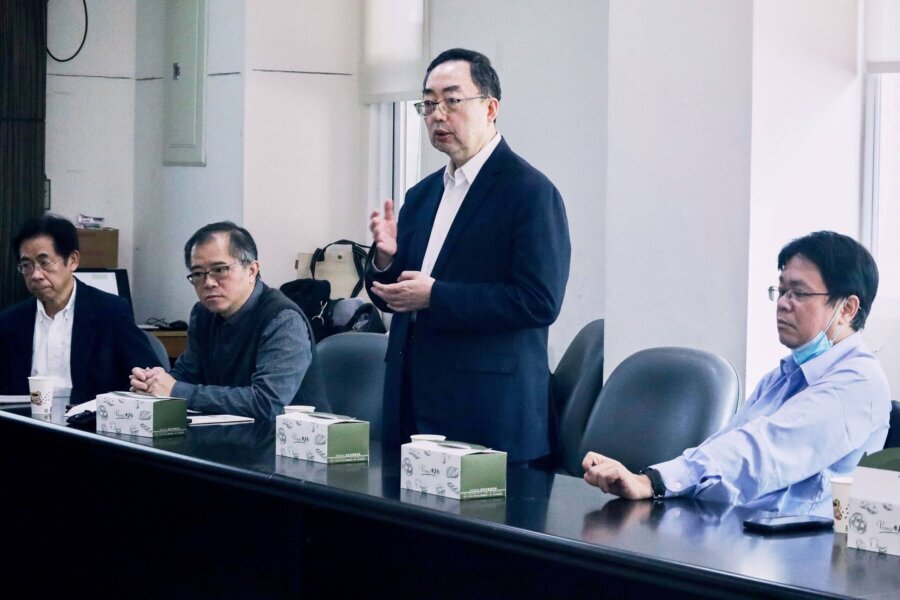
The Center for General Education of National Chengchi University (NCCU) held a panel discussion on the integration of the “Spotlight Taiwan” learning model into teaching on the 24th, inviting faculty members from various departments to explore potential avenues for future collaboration between NCCU and the Chunghwa Telecom Foundation. The goal is to incorporate the experiential practices of Spotlight Taiwan into academic activities.


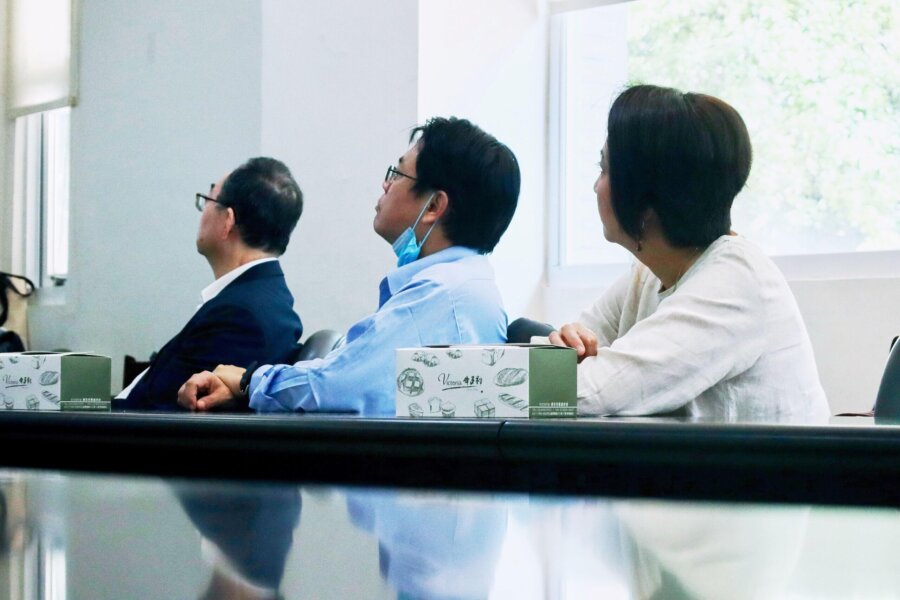
The Center for General Education of NCCU held a panel discussion on integrating the “Spotlight Taiwan” learning model into teaching on the 24th. (Photo: Office of Secretariat)


Origins of the Collaboration

Since 2009, the Chunghwa Telecom Foundation and NCCU’s Department of Radio and Television have jointly launched the first “Spotlight Taiwan,” calling on university students to “serve with one hand and document with the other.” Participants are encouraged to spend 15 days during the summer in rural and Indigenous communities, providing local services while documenting stories across Taiwan through film and writing.

Growth of the Spotlight Program

Kao Shih-wei, Deputy CEO of the Chunghwa Telecom Foundation and an alumnus of NCCU’s Graduate Institute of Radio and Television, shared that the idea for Spotlight Taiwan emerged from his desire to give back to his juniors during a return visit to campus. Inspired by the concept of service learning, he integrated the Foundation’s 89 “Good Neighbor Digital Centers” across Taiwan to create opportunities for students to live and serve in unfamiliar communities.

Since then, the program has continued to expand—growing from a collaboration with a single department at NCCU to partnerships with universities nationwide. Now in its 16th year, Spotlight Taiwan attracts hundreds of students from across different disciplines every year.


Kao Shih-wei, Deputy CEO of the Chunghwa Telecom Foundation and an alumnus of NCCU’s Graduate Institute of Radio and Television, conceived the idea for “Spotlight Taiwan” during conversations with his former professors on a return visit to campus. (Photo: Office of Secretariat)


Service as the Core Focus

Unlike typical foundation service programs, Spotlight Taiwan emphasizes “service first, documentation second.” Documentation is merely one method of presentation, not the ultimate goal. Students plan and implement service activities based on the actual needs of local residents. Prior to departure, the Foundation provides training in essential skills such as field research, community interviews, and the production of local gazetteers. During the program, students apply their individual expertise to engage deeply with communities, giving voice to local issues while also discovering their own social impact and personal growth.

In an era of interdisciplinary knowledge, the complexity of contemporary problems can no longer be addressed with traditional thinking. “Every problem has corresponding solutions, grounded in the knowledge we have accumulated. Yet the traditional classification of knowledge can no longer bear the weight of today’s complex environment,” said Dean of Academic Affairs Lin Chi-ping. He further noted that NCCU’s efforts in University Social Responsibility (USR) and experimental education align closely with the philosophy of Spotlight Taiwan. By participating in the program, students experience problems firsthand, discover solutions, and integrate the natural, humanistic, and intellectual worlds within themselves—expanding their perspectives and reshaping their personal values.


Associate Professor Wang Ya-wei of the Department of Radio and Television, a long-time collaborator with “Spotlight Taiwan,” emphasized that the program prioritizes “service first, documentation second.” (Photo: Office of Secretariat)


Advantages and Challenges of Integrating the Program into Curriculum

Currently, several universities are in discussions with the Chunghwa Telecom Foundation about condensing the Spotlight Taiwan experience into academic courses. NCCU’s Department of Radio and Television, Chinese Culture University’s Department of Chinese Literature, and National Pingtung University’s Department of Special Education already offer related collaborative courses. These courses shift the execution of the program to the university level, with instructors guiding students through “mini-spotlight” projects. This allows students who cannot participate in the full program to learn how to apply their skills in community service. Associate Professor Wang Ya-wei of the Radio and Television Department noted that students’ limited perspectives often result in highly similar topics; therefore, in addition to technical skills, courses should also teach sociology, anthropology, and other subjects to guide students toward a broader perspective in the field.

Dean Li Wei-lun of the X Experimental College believes that the long-standing knowledge and practical experience of Spotlight Taiwan serve as a model for universities. As a hub for cross-disciplinary, self-directed learning and resource sharing, the College hopes to leverage the Foundation’s valuable experience to further collaborate and develop related courses—allowing students to clarify their identities through learning-by-doing while cultivating a spirit of goodwill. Lin Chi-ping added that NCCU’s active engagement in experimental education, sustainability, and interdisciplinary learning has positioned it at the forefront of innovative teaching in Taiwan. The university will fully support internal teaching units in developing collaborations with the Chunghwa Telecom Foundation.

Associate Professor Lan Mei-hua of the Department of Ethnology offered a different perspective, noting that the value of Spotlight Taiwan lies in the integrity of the full participation process. Compressing it into a two- or three-day course may hinder the original goals and effectiveness of the program. Furthermore, community service should be initiated and carried out by students themselves, with the university providing opportunities rather than all resources. “If the work is meaningful and feasible, resources will naturally follow,” Lan said. Deputy Dean of Academic Affairs and Director of the Center for Teaching and Learning Development Hsu Chih-chien added that, at this stage, it may be more practical for the university to first select suitable experimental courses and then align them with the Foundation’s training resources.


Vice President for Academic Affairs Lin Chi-ping stated that NCCU is actively committed to experimental education, sustainability, and interdisciplinary learning, and will fully support internal teaching units in developing collaborations with the Chunghwa Telecom Foundation. (Photo: Office of Secretariat)


Future Prospects

Ai-hsuan Ma, Deputy Dean of Academic Affairs and Director of the Center for General Education, shared that the Center plans to implement an “N+X” credit course model next semester, serving as a bridge between formal coursework and fully self-directed learning. The “N” component provides students with the foundational knowledge required for fieldwork, followed by the “X” project, in which students independently execute their own initiatives. She believes that under this framework, collaboration with the Chunghwa Telecom Foundation allows students who have not yet participated in Spotlight Taiwan to gain field experience without compromising the integrity of the overall curriculum. Additionally, it increases students’ chances of standing out in the Spotlight Taiwan selection process.


Wang Ya-ping, Assistant Executive Director and Director of the University Social Responsibility (USR) Office, noted that NCCU is strong in the humanities and social sciences, and considers “visual literacy” an essential secondary skill for students. While students’ visual storytelling abilities have improved over the years, their problem-awareness still needs to be strengthened. NCCU also has over 200 Indigenous students, including approximately 60 Indigenous graduate students. Previous research often addressed community issues solely through written theses; combining these efforts with visual media would enhance their impact. Furthermore, since NCCU’s USR initiatives are deeply engaged across multiple ethnic communities, the Office can assist in connecting the Foundation with potential sites or facilitating the implementation of new thematic projects in the future.

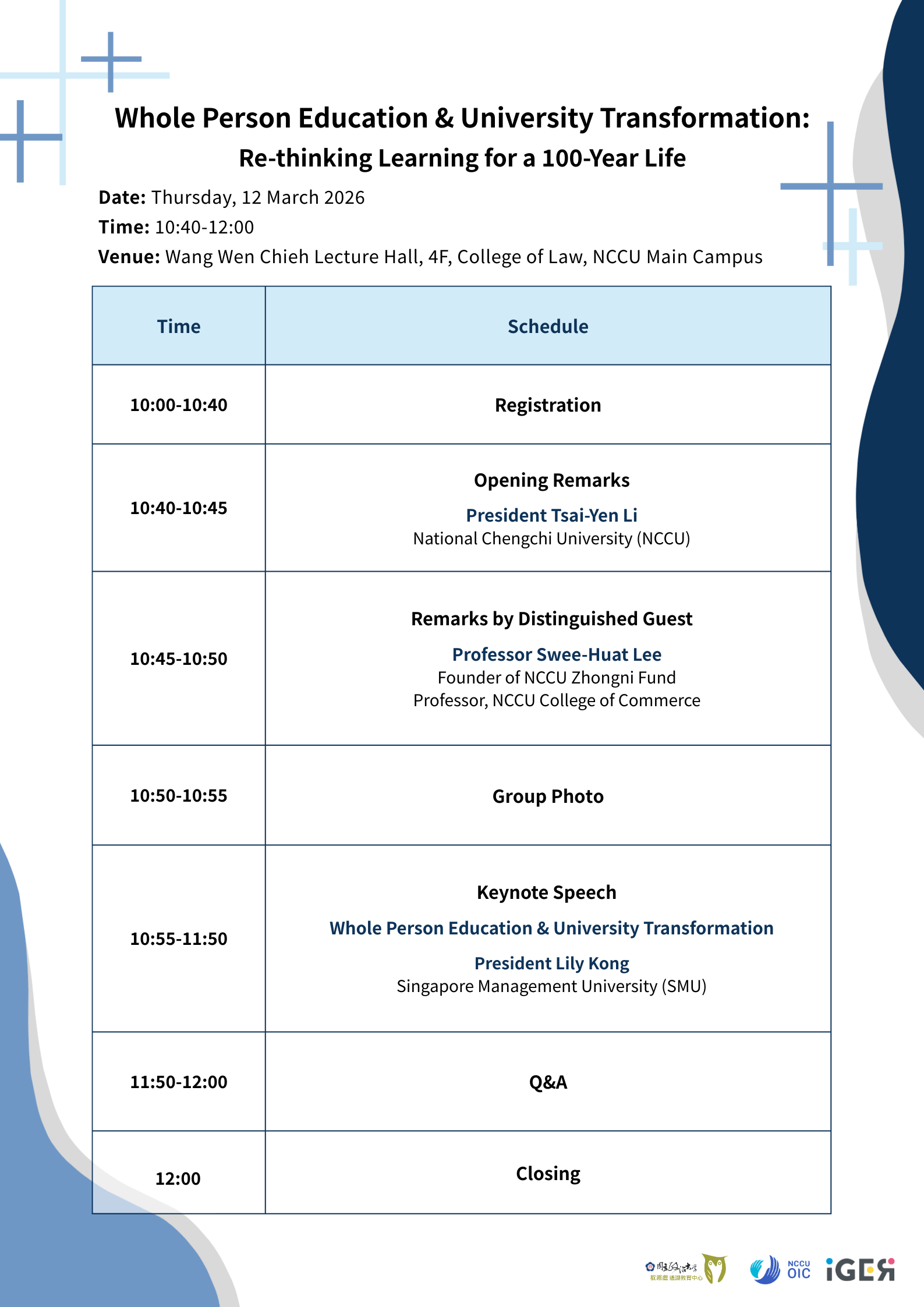
Whole person education has re-emerged as a central concern in university reforms worldwide, yet its implementation remains uneven and often peripheral to the core academic enterprise. As life expectancy extends and the prospect of the “100-year life” becomes reality, universities face an urgent imperative to rethink their
fundamental purpose. 
This lecture argues that universities must move beyond their traditional emphasis on cognitive development and disciplinary specialisation to embrace whole-person education — developing students’ emotional resilience, interpersonal skills, self-awareness, and humanity alongside their intellectual capabilities.

Drawing on historical perspectives and contemporary challenges facing higher education, Prof Kong examines four critical dimensions of transformation: 

(1)nurturing multiple intelligences beyond the cognitive;
(2) accentuating human qualities in an age of AI;
(3) creating space for interdisciplinary depth; and
(4)committing to lifelong partnership with learners. 

She offers practical insights for how universities can reimagine general education as central to preparing individuals for meaningful, impactful lives across an extended horizon.
※This lecture will be delivered in English.

※Lunchbox will be provided after the speech.


📍 Time : March 12, 2026 (Thurs.)

📍 Location: Wang,Wen-Chieh Lecture Hall, 4F, College of Law

📝 Register Now: https://reurl.cc/vKZZ3A

Reported by Yang Kai-chieh, Campus Correspondent

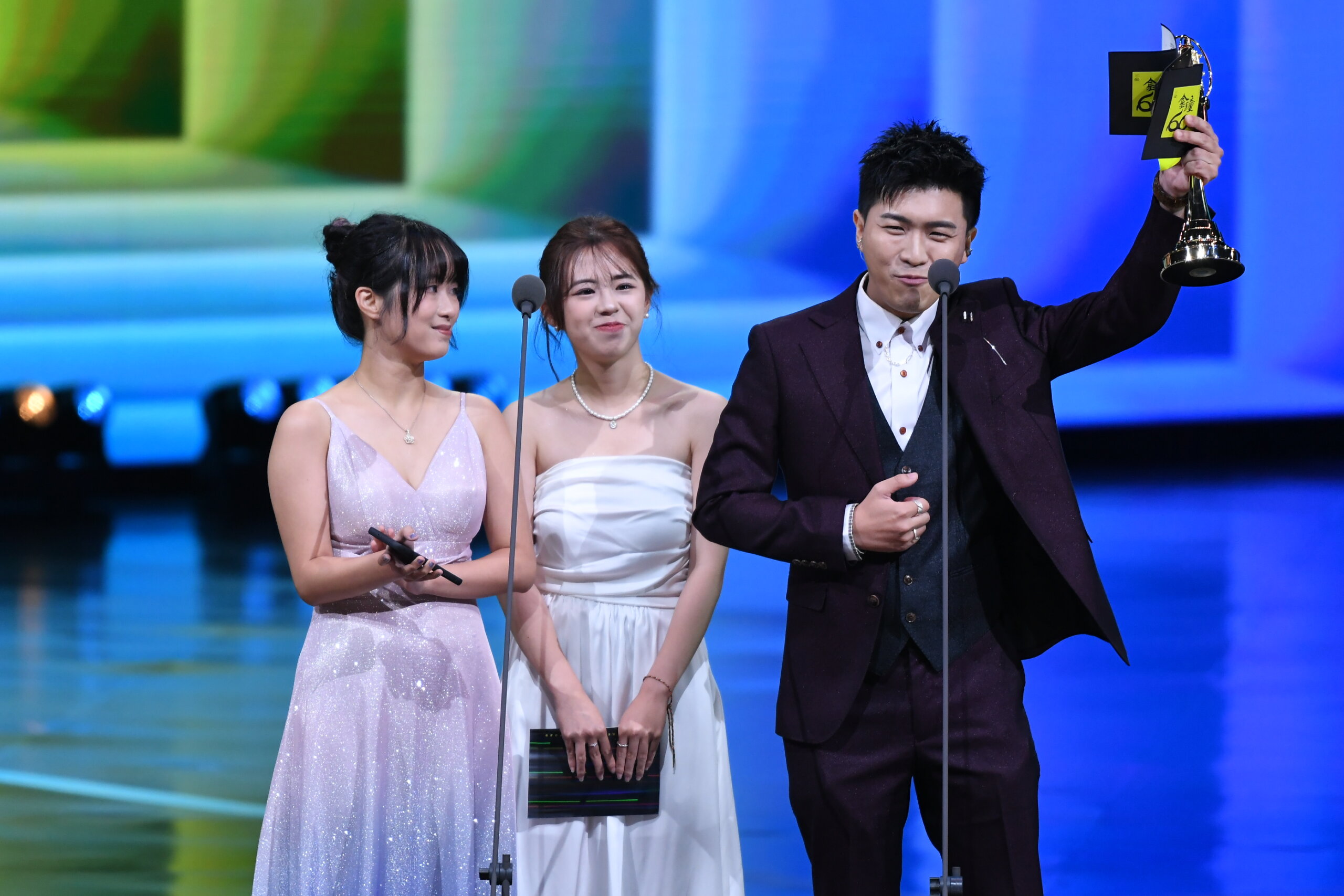
At the Golden Bell Awards ceremony for radio broadcasting, when the presenter announced the winner of “I’ve Liked You for a Long Time”, Sheng Bao-xin and Wang Yi-quan walked onto the stage in gowns with looks of astonishment. Standing beside them was their teacher Wu Yu-xuan (Snake) — an alumnus of the Communication Department at National Chengchi University and this year’s recipient of the Youth Program Host Award, as well as the mentor who introduced them to audio production.

This moment came only a year or two after the two students first met in Wu’s class on “Audio Self-Media Application and Creation” at NCCU. Through countless discussions and rounds of refinement, they ultimately completed the work that would be honored on the Golden Bell stage. 


Wu Yu-xuan won the Youth Program Host Award for “I’ve Liked You for a Long Time” at the Golden Bell Awards, sharing this honor with his two students. (Image credit: Wu Yu-xuan)


More Than Just General Education

The story began with a general education course titled “Audio Self-Media Application and Creation.”

For Sheng Bao-xin, a student majoring in Chinese Studies, this was an unexpected journey filled with passion. She had never planned to pursue audio work, but after hearing Neck’s lecture and being moved by his enthusiasm, she decided to take the course. Meanwhile, Wang Yi-quan, who already had experience with the university’s radio station Voice of NCCU, saw the class as an opportunity to refine her production and planning skills to better match professional industry standards. 

Rather than following a traditional theory-based approach, the course functioned like a pre-professional boot camp. From ideation and proposal, to recording, editing, and publication, students were required to produce a complete audio show from scratch. It was during the final project of this class that Bao-xin demonstrated her unique talent for planning, while Yi-quan excelled in precise editing — leading both to be invited to join Wu’s production team for “I’ve Liked You for a Long Time.” 

Endless Weekly Meetings

Yi-quan recalls thinking at first, “There’s no way we’d ever win a Golden Bell,” but once their teacher believed in them, they committed fully. The journey toward the Golden Bell was paved with countless nights of anxiety and hard work. The show was set in a fictional youth hostel, where interactions among guests, helpers (Yi-quan and Bao-xin), and the owner (Snake) used sound to teach listeners how to produce audio programs. 

Though the concept sounded romantic, its execution was intensely demanding. The team held meetings every Monday, recorded every Tuesday, and submitted work by Friday, with numerous revisions interspersed throughout. “The pressure was really intense,” Bao-xin confessed. As a producer, she often struggled to balance her own creative ideas with her teacher’s professional standards. In one episode discussion, Neck — blessed with a naturally great voice — argued that articulation was innate and couldn’t be taught, whereas Bao-xin insisted the show should include concrete practice methods for beginners. Conflicting perspectives frequently led to entire segments being rewritten, sometimes even moments before recording. 

Meanwhile, Yi-quan experienced her own kind of breakdown. A single episode’s rough cut could take four to five hours, with fine-tuning seemingly endless. She laughed while saying that she once received a revision call while riding her scooter. During that time, social life, family gatherings, and sleep were all sacrificed, and they even enlisted nearly a hundred people to record opening segments and sound effects. What sustained them was no longer just the small stipend, but a sense of responsibility — because “once your hair has been washed, you have to see it through” — and a stubborn desire to prove something. 


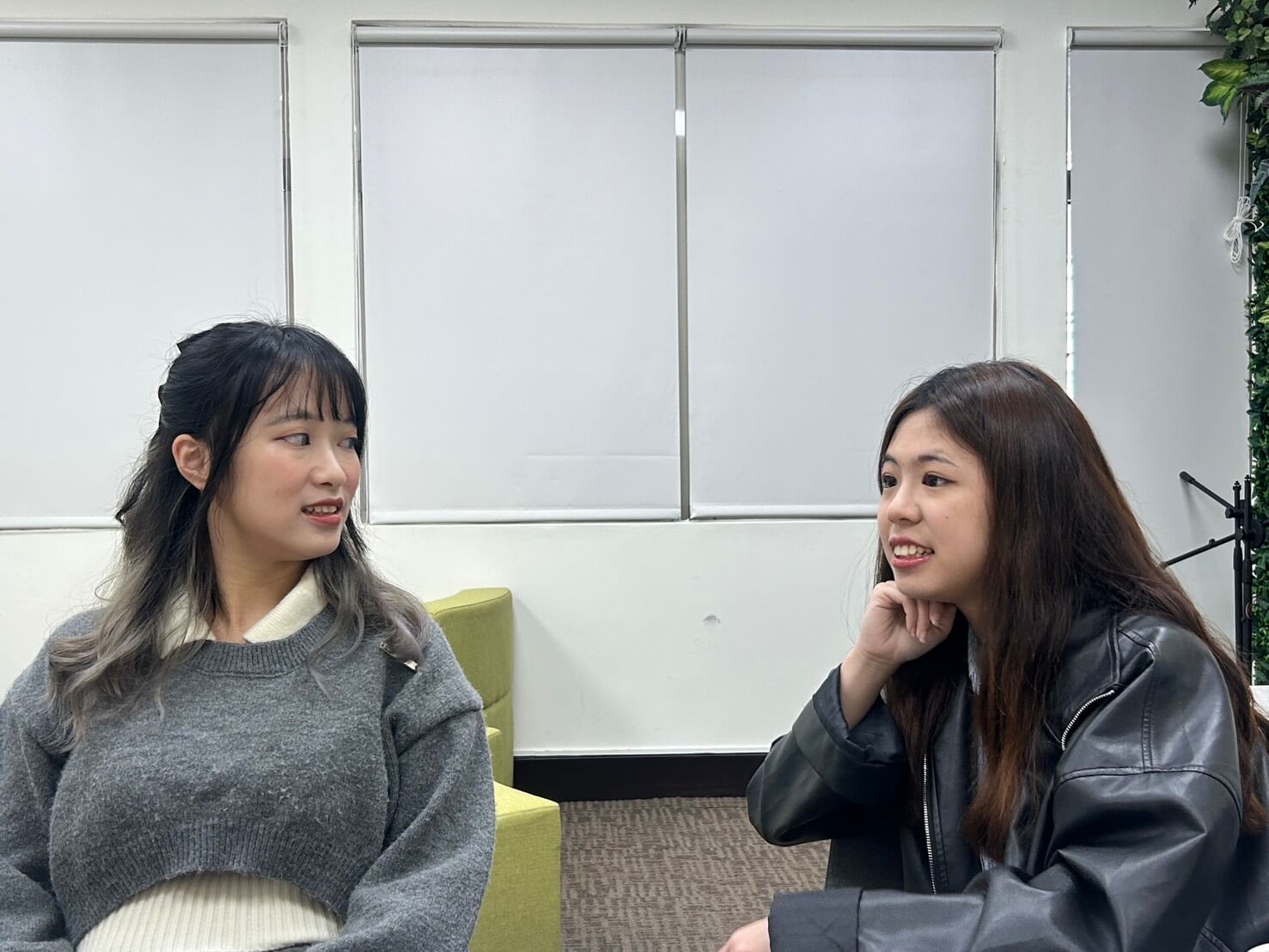
Sheng Bao-xin and Wang Yi-quan are interviewed, reflecting on their months-long journey of producing the program. Photo credit: Center for General Education


“Parents, Please Listen to Me”

Their long sonic expedition ultimately culminated in glory on the Golden Bell stage. While the award was officially for Wu as the Youth Program Host, the trophy held profound personal meaning for the two students and their families. 

For a long time, Bao-xin’s parents didn’t understand her dedication to audio production: “Why did you spend so much money on equipment?” “Why do you go home and stare at the computer?” Yi-quan’s parents even worried she’d only be able to make a living “selling medicine at a radio station.” “Before we won, they didn’t even know what I was doing,” she said with a wry smile. But on the day of the awards ceremony, she brought her entire family and friends, and when her name was called, all the doubts vanished. 

Yi-quan shared a touching moment: before going on stage, she asked her parents what she should say in her speech. Her father asked for only one thing: “Just say our names.” So others would believe it was truly their daughter. She did exactly that, thanking her parents loudly on stage. That brief speech was later clipped by her father — who isn’t adept with technology — and played repeatedly in their family chat group and at his workplace. 

That Golden Bell became a bridge for reconciliation with their families, proving that those sleepless nights and persistence were worthwhile.


The Endless Possibilities of Sound

Now that this chapter has closed, Yi-quan still yearns for the pure companionship that radio can offer, hoping to be the voice that comforts others late at night. Bao-xin sees this experience as invaluable nourishment; she has experimented in public relations, film festivals, and other fields, with audio production now a vital part of her diverse skill set.

Looking back on their journey from a general education class to the Golden Bell stage, their advice to younger students is practical: “Start early and make full use of school resources.” Even a general education course, if embraced wholeheartedly, can become a life-changing beginning — much like the youth hostel in “I’ve Liked You for a Long Time”, where guests arrive with different stories and leave with new strength. Sheng Bao-xin and Wang Yi-quan, once guests themselves, have now packed their bags and are ready for their next destination.


Wu Yu-xuan, Sheng Bao-xin, and Wang Yi-quan pose for a commemorative photo at the Golden Bell Awards ceremony. (Photo credit: Wu Yu-xuan)

[Department of Radio and Television]

The 60th Golden Bell Awards for Radio were recently held, and Wu Yu-Hsuan , Adjunct Assistant Professor at the College of Communication, National Chengchi University, won the “Best Youth Program Host Award” for his program Already Liked You on Broadcasting Corporation of China (BCC) Han Sheng Radio. The program is not only his personal creative work. Professor Wu emphasized that this honor belongs to the entire team: “Please give the applause to my students — they made this possible!”

Adjunct Assistant Professor Wu Yu-Hsuan of the College of Communication received the “Best Youth Program Host Award” for the program Already Liked You. The production team includes NCCU students Sheng Bao-Xin and Wang Yi-Chuan, both of whom are students from Professor Wu’s course “Voice-based Self-Media Application and Production.”


Beginning with a General Education Course: Faculty and Students Co-create a Radio Program

The program is hosted and planned by Professor Wu Yu-Hsuan, with team members Sheng Bao-Xin, a student double-majoring in Chinese and Radio and Television, and Wang Yi-Chuan, a student in the Department of Radio and Television. Both students were enrolled in his general education course “Application and Creation of Voice-Oriented Self-Media” offered through NCCU’s College for Self-directed Learning. Already Liked You is part of the youth program series Radio Hostel on Han Sheng Radio. Centered on the idea of “teaching radio through radio, and exploring audio media through audio media,” the program combines hands-on learning with narrative settings, inviting young listeners to rediscover the world through sound.

The program is designed like a youth hostel themed around sound. Participants learn planning, hosting, and editing, and through simulation and discussion, explore their own modes of expression. The program does not seek to dazzle or overwhelm; instead, it uses sound as a guide, accompanying listeners as they discover their own pace between creation and daily life.

The collaboration began through the course “Application and Creation of Voice-Oriented Self-Media”, and the two students ultimately shared the honor of the Golden Bell Award with Professor Wu.

A Program that Accompanies Youth Through Sound Wins the Golden Bell Award

Reflecting on how the program began, Professor Wu recounts with emotion: “This program was recorded at Voice of NCCU, right after I finished teaching. In that moment, I felt as if I was meeting my younger self—the one who first entered the world of radio over ten years ago.” He expressed gratitude to Han Sheng Radio and his team for their support: “Thank you to everyone I love and who loves me. Thank you, radio, for reminding me who I am.”

Adapted from: Department of Radio and Television, National Chengchi University

https://rtv.nccu.edu.tw/PageDoc/Detail?fid=4095&id=36548

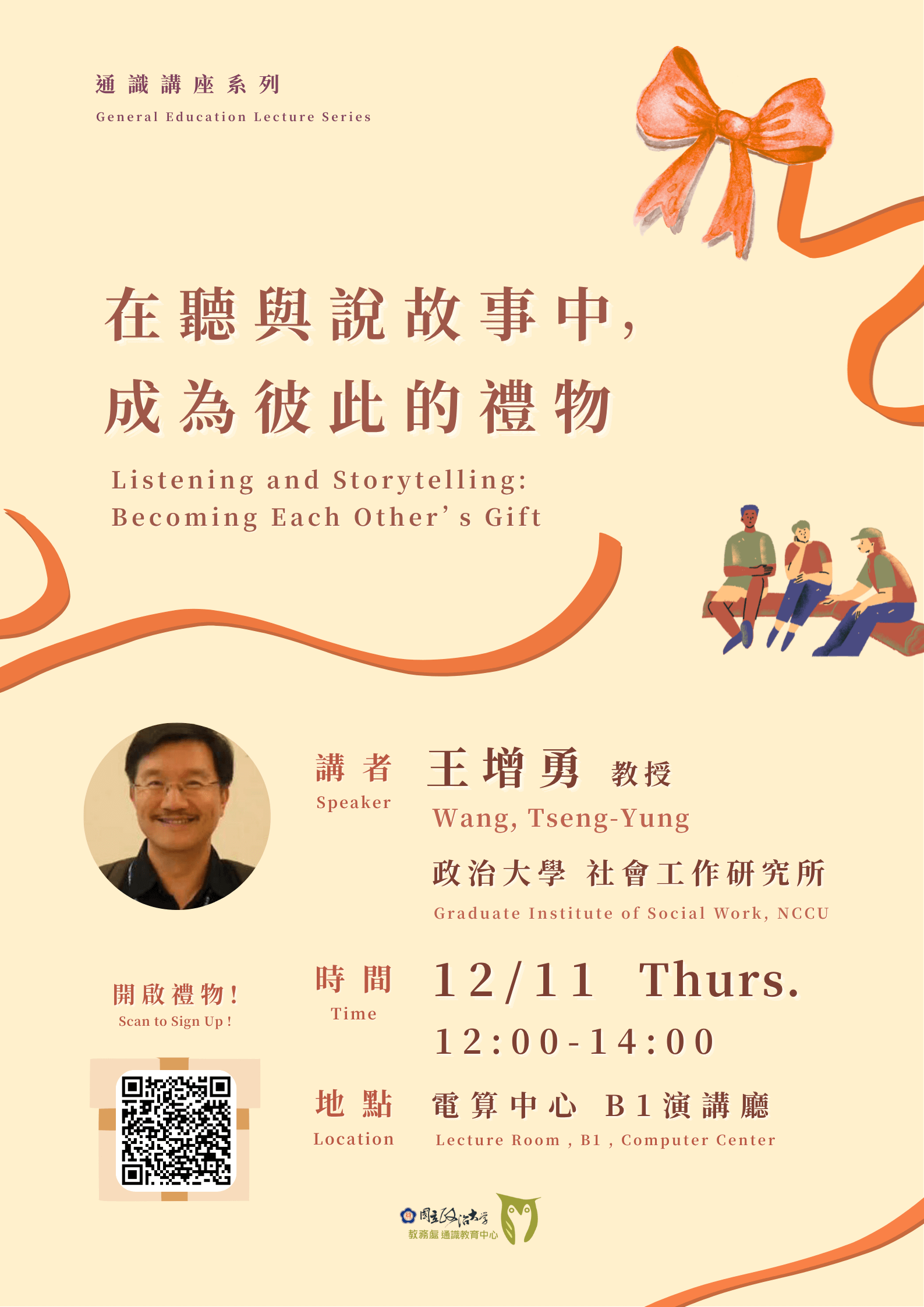
This general education lecture invites Professor Tseng-Yung Wang from the Graduate Institute of Social Work to share his insights.

Professor Wang’s general education course, Aesthetics of Existence of LGBT+, weaves connections between people through storytelling.

In this course, participants listen to others’ life stories and reflect on their own experiences.

Through shared meals and narratives, they witness both vulnerability and strength in one another.

This lecture will explore how listening and storytelling can open up spaces for understanding and empathy—allowing us to become gifts in each other’s lives.

📍 Course Outline: Aesthetics of Existence of LGBT+

All students, faculty, and staff are warmly welcome to join.

Lunch boxes will be provided as a small token of appreciation. 🎁

📍 Date & Time: Thursday, December 11, 2025, 12:00–14:00

📍 Location: Lecture Room , B1 , Computer Center (Meals will be provided after the lecture.)

📝 Register Now: https://reurl.cc/mkG9G1

☎️ Contact: Ms. Wu, Center for General Education, Ext. 63872

✉️ Email: yun63872@nccu.edu.tw

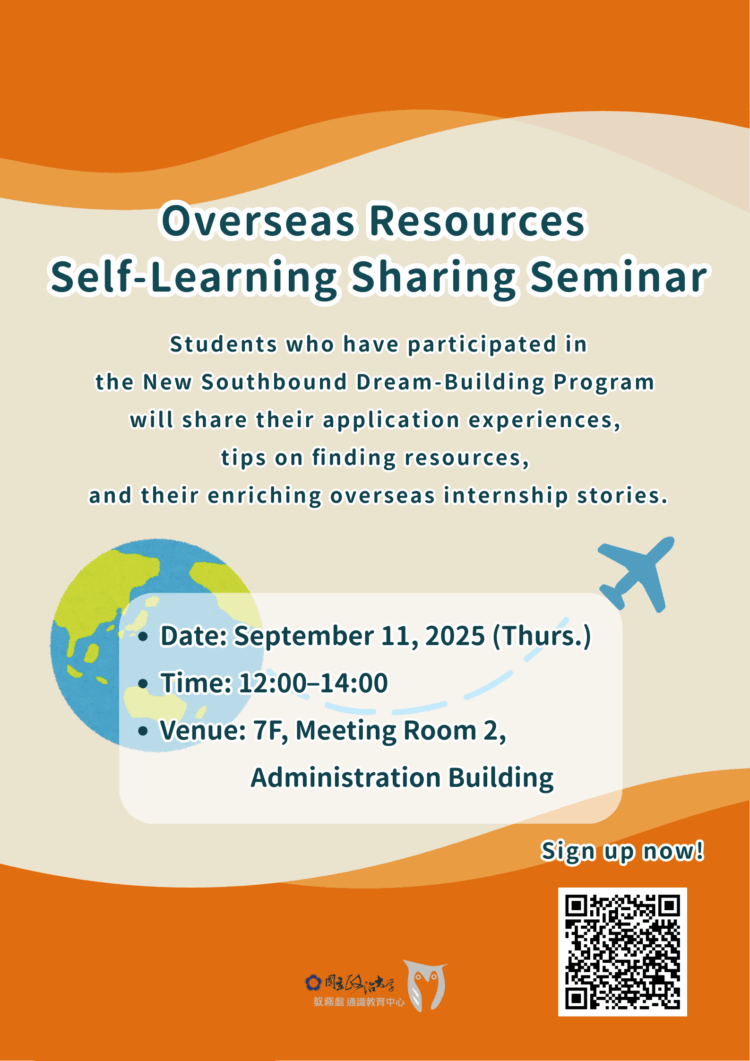
How can you take the initiative to find resources, apply for programs, and go abroad for internships?

In this seminar, students who have participated in the Ministry of Education’s New Southbound Dream-Building Program will share their application experiences, tips on finding resources, and their enriching overseas internship stories.

Students interested in applying for international internship programs are encouraged to seize this opportunity to join!

Note: Internship program applications can also be counted toward credits for NCCU’s “Certified-based Self-Learning” program.


Event Information

  • Date: September 11, 2025 (Thursday)

  • Time: 12:00–14:00

  • Venue: 7F, Meeting Room 2, Administration Building

  • Registration link: https://reurl.cc/9n0bQO (Lunch boxes will be provided)

  • Contact person: Ms. Wu